home   register   about us   programs   get involved   support wi   news   contact us 
General Trip Info

Whiteshell Canoe

Experience Manitoba's deepest lakes and best fishing

Click any thumbnail for larger image:


photo by: Sigurdsen, L

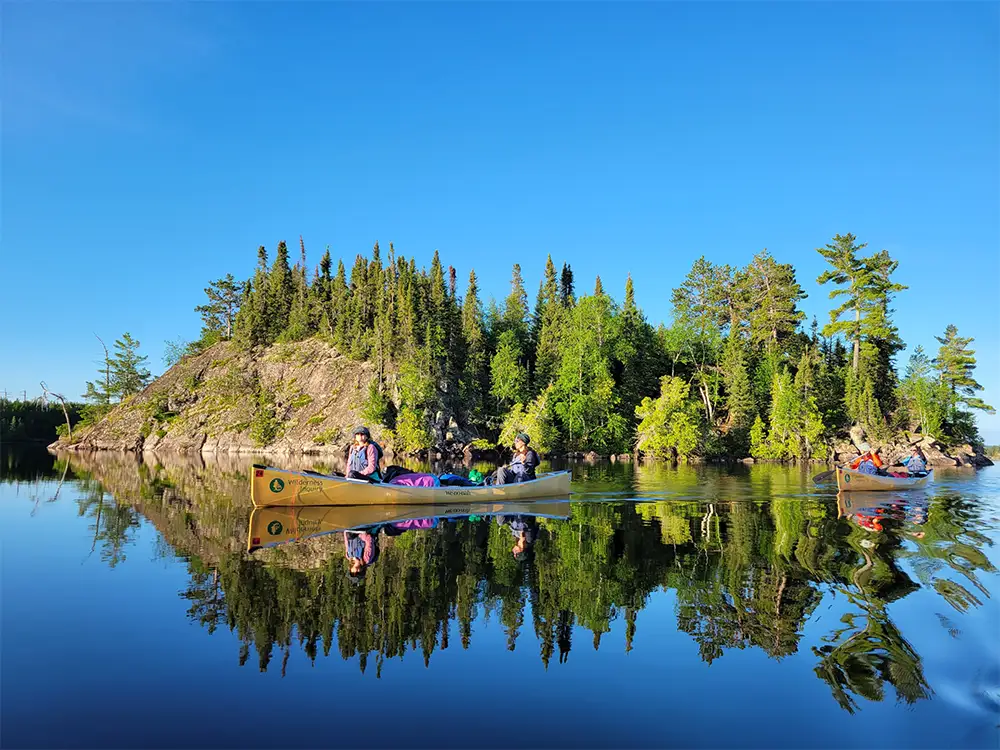
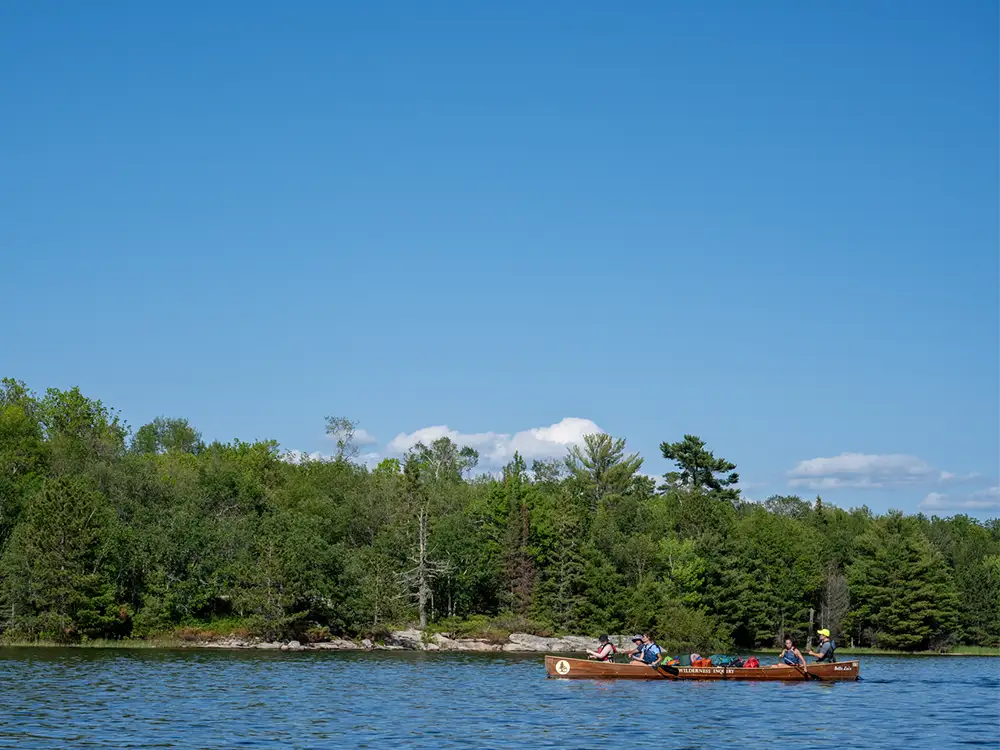
We-No-Nah Champlain in White Shell.
photo by: Snowden, C

Coming out of on of the canoe tunnels at Whiteshell.
photo by: Unknown


photo by: Chew, D


photo by: Unknown

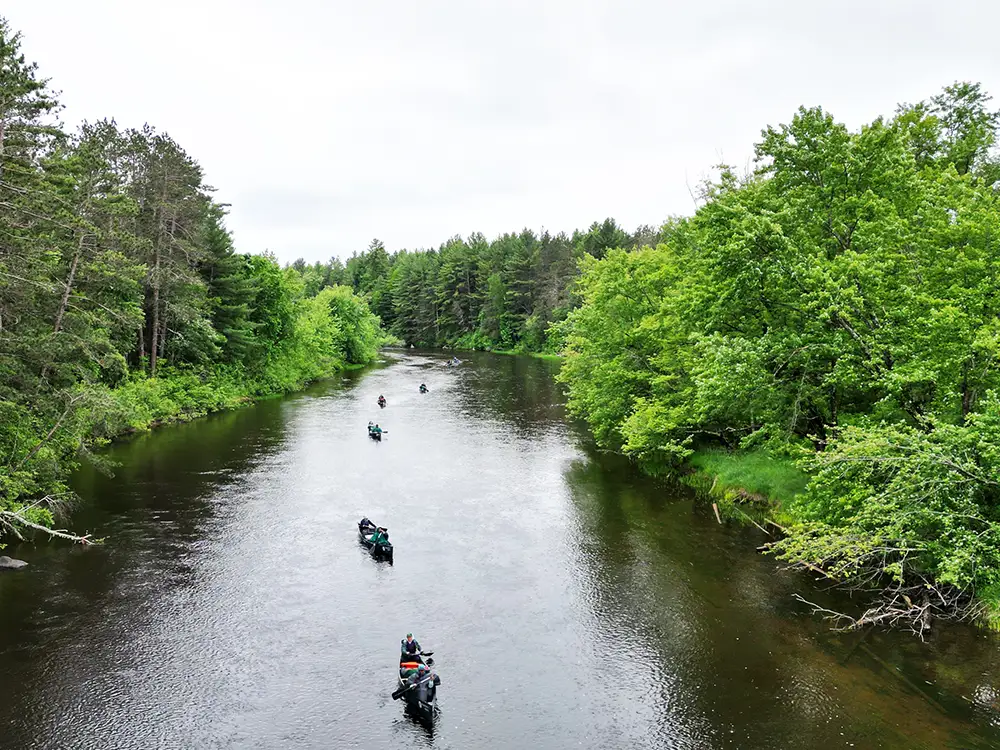
...tranquil White shell Provincial Park in Manitoba.
photo by: Schurke, P


photo by: Cunningham, Bill

Paddling on Caddy Lake
photo by: Shirley, E


photo by: Unknown

Campsite in Whiteshell Provincial Park
photo by: Unknown

Pool at the end of the rapid--great fishing
photo by: Unknown


[ Dates & Fees ]

Whiteshell Canoe

Experience Manitoba's deepest lakes and best fishing

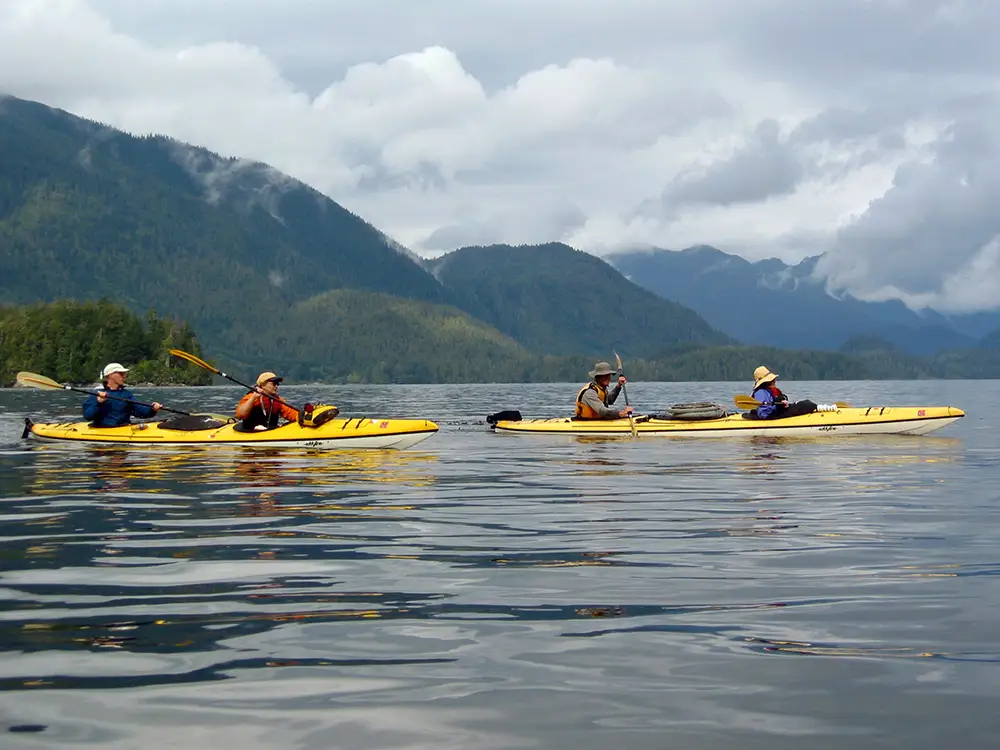
We-No-Nah Champlain in White Shell.

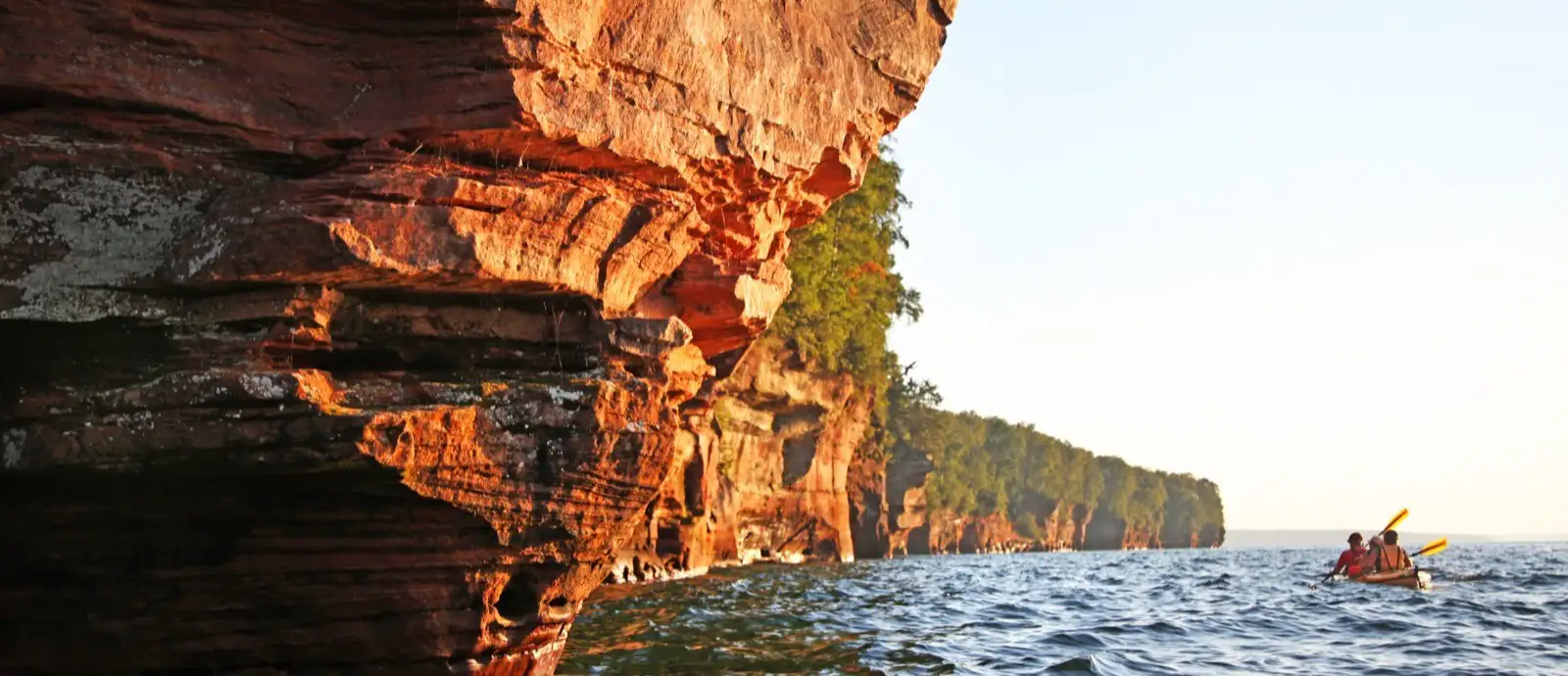
North and west of the Minnesota's Boundary Waters lies Whiteshell Provincial Park, one of the crown jewels of Manitoba's Provincial Park system. Known for its fishing and deep, clear blue lakes, Whiteshell has many interesting features, including pink granite cliffs, rice paddies, and two unique canoe tunnels blasted through bedrock by the Canadian National Railway in 1877. To Native peoples, Whiteshell is the place where the Creator lowered the first man from the sky to earth. Its waterways echo the songs of the hardy voyageurs that first explored this area, and its wilderness still runs deep. This is the northwoods of legend—of moose and wolves, granite and spruce, lakes of blue filled with leaping smallmouth, bronze walleye, toothy pike, and campfires under skies dense with stars and wispy strands of aurora (thanks to Todd Whitesel for wonderful description). Whiteshell is the perfect trip for anyone looking for more of a northwoods wilderness adventure.

Sample Itinerary

Please note: While the itinerary presented is an accurate depiction of what your trip will be like, it is only an example. Our trips are real adventures in the outdoors--not pre-packaged tours that happen on a schedule.

DAY 1: Leave Minneapolis early in the morning and head to Canada! You will spend the night at Caddy Lake Campground in Manitoba. Check out the visitor’s center to get an idea of where you will be paddling for the next week. Don’t forget to get a good nights rest, as the morning will be coming early.

DAY 2: Put in at Caddy Lake and paddle north through two tunnels created by the railroads. Get ready to make up camp just after the 2nd tunnel and hang out with your new friends.

DAY 3: You will spend the next few days experiencing beautiful scenery within Whiteshell Provincial Park full of wildlife, ancient rocks, and amazing sunsets. Don't forget to look for moose, elk, painted turtles, and snakes. You will get to know your group well over these long days of paddling, portaging and excitement.

DAY 4 - 5: Continue to portage and paddle around the park land look for petroforms and pink granite cliffs. Enjoy a relaxing evening complete with a bonfire, ancient stories, and dessert.

DAY 6 You will make your way back to Caddy Lake Campground to enjoy the luxury of flush toilets and showers. End the evening with a bonfire and closing talk about the adventure you just experienced.

DAY 7: Wake up early, eat a good breakfast and make your way back to Minneapolis.

Travel, Terrain, Etc...

TERRAIN/ROUTE CHOICES: This area is known for its granite cliffs, ridges, and flat areas. Navigation can be difficult through the tall rice paddies. Wheelchair users can expect difficulty at times (rocks, mud, logs, etc.). Generally, though, the lakes and rivers make this area quite accessible. We usually start at Caddy Lake Campground and travel through smaller lakes, rivers, a few tunnels and portages to make our way back to the campground.

TYPE OF TRAVEL/DISTANCE: You will travel in 17-foot Alumacraft canoes, which hold two to three paddlers, plus all necessary gear. An average day's travel consists of 3-5 hours of paddling, depending on the weather. Travel distances vary from 9-20 miles per day with the exception of scheduled layover days. Expect an average of 1-2 portages (short trail crossings) per day. Portaging can be challenging, but it also offers a chance to get out of the canoes and enjoy the woods. To protect the environment, WI uses Leave No Trace camping techniques.

WEATHER: Temperatures in the summer months range from 35 F to 95 F. Rainfall can vary, but you should expect one or two days of wet weather.

LODGING/BATHROOM FACILITIES: This is a camping trip. At night you will sleep in a comfortable Eureka Dome tent. Typically, there are 3 people per 4 person tent (although other arrangements can be made). We recommend that you bring your own personal sleeping bag and "camprest" foam core inflatable mattress (a limited number of sleeping bags and mattresses are available as loaners for individuals who need them). Bathroom facilities consist of a foldable commode chair set up with a privacy tent if necessary. We make every effort to ensure privacy and cleanliness.

GROUP SIZE: The group size ranges from 10 to 12 participants, plus 2 or more Wilderness Inquiry staff. Each group consists of people of various ages, backgrounds and abilities, including people with disabilities.

CAMP CHORES: Our trips are cooperative in nature. WI staff will assist you in whatever areas you need, however most people pitch in where they can. Part of the adventure involves learning about daily camp activities.

EQUIPMENT AND CLOTHING: If you are new to outdoor activities, you need not spend a lot of money on gear. Wilderness Inquiry will provide all necessary canoeing and camping equipment. All you need to provide is your personal gear, such as clothing and a sleeping bag. A detailed equipment list will be sent to you upon confirmation of your participation. If you need to borrow personal gear, that can usually be arranged.

LEVEL OF DIFFICULTY: No previous experience is needed to complete this trip.

BORDER REQUIREMENTS: This destination is outside the US and has special special requirements for crossing the Canadian border. If you are interested in this trip, visit: www.cbp.gov/xp/cgov/travel/vacation/ready_set_go/ to learn more about the requirements.

Wilderness Inquiry is proud to serve Caribou Coffee on all our trips. Great food, great coffee, and great company are just some of the ingredients that make Wilderness Inquiry trips special.

[ Dates & Fees ]      


Whiteshell Provincial Park is centrally located in Manitoba, Canada. The park is over 1000 square miles spreading across much of the Manitoba-Ontrario border. Whiteshell became a Provincial Park within Manitoba in 1961. This status is meant to preserve the land for future generations' use.

History:
Whiteshell is a sacred place for the Anishinabe people as they believe it is where the Creator lowered the first man from the sky to the ground. The earliest record of inhabitants date back to over 8,000 years ago. Archegologists discovered varities of artifacts ranging from stone work to ceramics during evacuations on the Winnipeg river. They believe these findings show that these peple were moving with the seasons from place to place, hunting and gathering food along the way. There are

In 1734, Whiteshell was stumbled upon by Peirre Gaultier de Varennes de la Verendrye on his quest for the Western Sea. Even though they didn't make it all the way to the Western Sea now known as the Pacific Ocean, la Verendrye did encounter camps of Cree and Anishinabe people as well as developed an important fur trade route that would continue on for years to come.

The development of roads brought vacationeers to the Whiteshell area in the early 1920s.

Geology:
Whiteshell Provincial Park is full of granite cliffs, ridges, and flat areas that were used for petroform making by the First Nation peoples. Archaeological evidence within the park shows the remains of copper trading, quarts mining, and the making of stone tools. Along with the unique granite features, over 200 lakes are scattered throughout the park. Many of these lakes are interconnected by portages which allow for long canoe adventure similar to what one would experience in the Boundary Waters Canoe Area in Northern Minnesota. These lakes are known for their sturgeon which are a prehistoric looking bottom feeding fish. As one of the largest fresh water fish in North America, sturgeon can be over 150 years old, weighing up to 300 pounds.

Wildlife:
Whiteshell Provincial Park is home to a variety of large mammals including black bear, moose, white-tailed deer, wolves, lynx and smaller ones like otter, marten, fisher, red fox, mink, hares, beavers, bats, skunks, raccoons, and red squirrels. The birds that can be seen in the park include owls, bald eagles, ruby throated hummingbirds, chickadees, blue jays, grosbeaks, redpolls, woodpeckers, osprey, loons, ruffed grouse, ducks and Canada geese. There are also snakes, muskrats, turtles and a wide variety of insects found in the park. The lakes and rivers within the park are home to perch, walleye, jackfish, lake sturgeon, black crappie, burbot, whitefish, trout, white bass and smallmouth bass.


For more information, visit these links:

More info on Whiteshell Provincial Park

Whiteshell Wikipedia Entry

Whiteshell Provincial Park Homepage

[ Dates & Fees ]


2011 Dates   Fee  
07/04/2011 - 07/10/2011 $895 Register Now
08/28/2011 - 09/03/2011 $895 Register Now

Transportation

This trip officially begins at Caddy Lake Campground in Whiteshell Provincial Park of Manitoba. Most people meet us in Minneapolis early the morning of the first day of the trip. Detailed meeting place instructions will be sent to you when you are confirmed for the trip.

Meeting Places: Additional Round-trip Fee:
Minneapolis, MN - WI Headquarters $95 per person
Winnipeg, MB $0 (No charge)
Printer Friendly Page
printer friendly
Quick Trip Facts:
  • 7 days, 6 nights
  • 2 Wilderness Inquiry Staff
  • All meals and snacks included
  • Eureka Outfitter tents, group camping & cooking gear
  • Wenonah Champlain canoes
  • Lotus PFD, canoe, paddle
  • Adaptive gear as needed


Coming out of on of the canoe tunnels at Whiteshell.