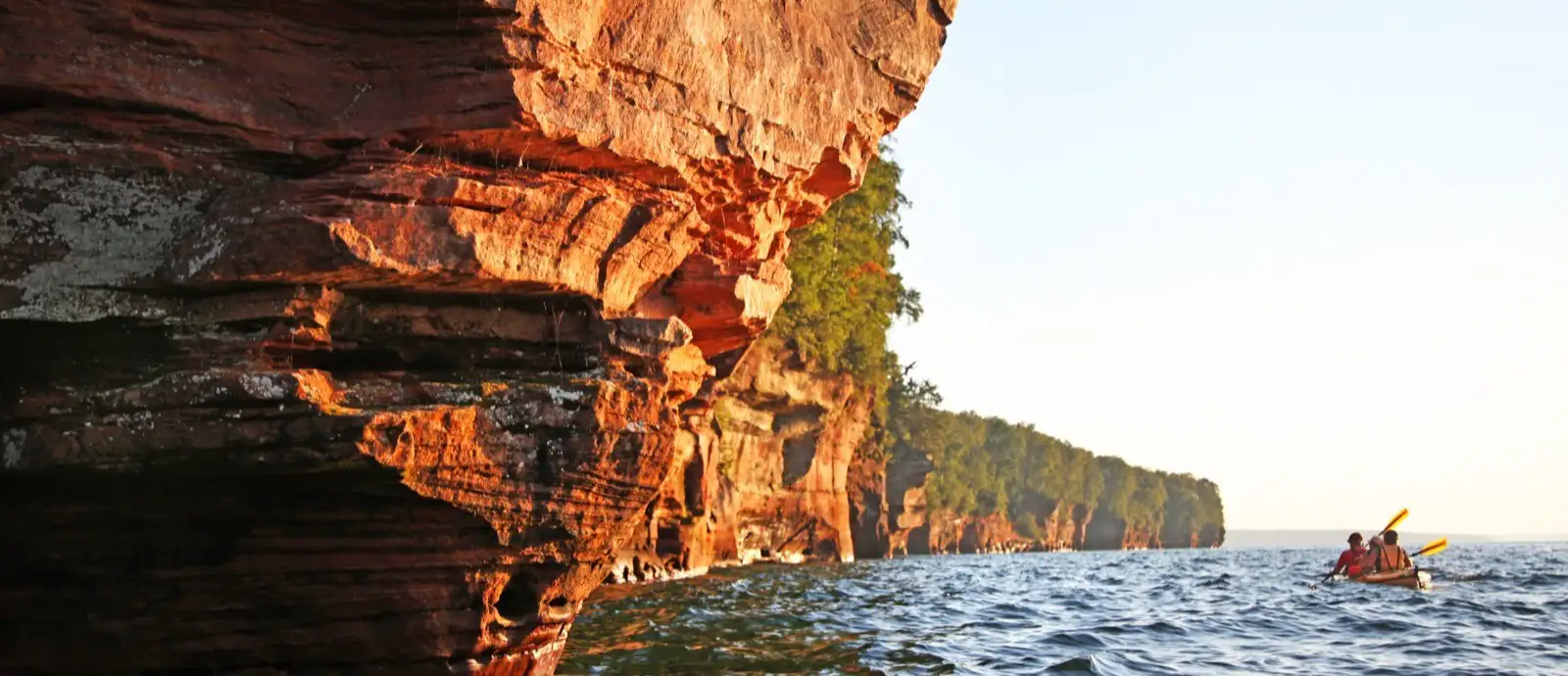
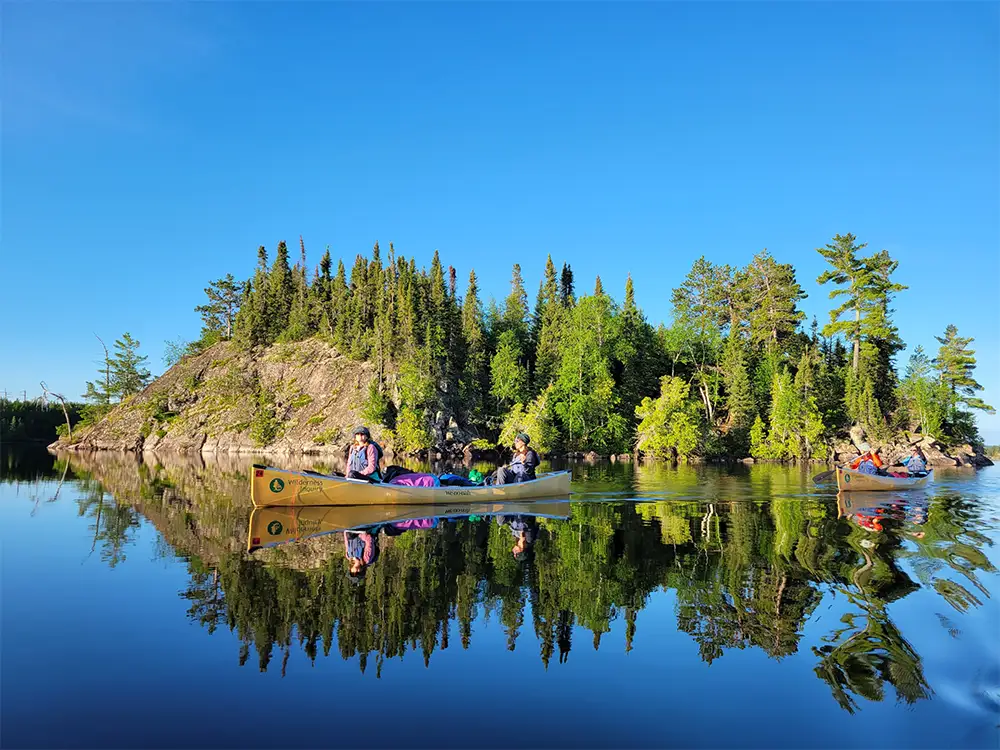
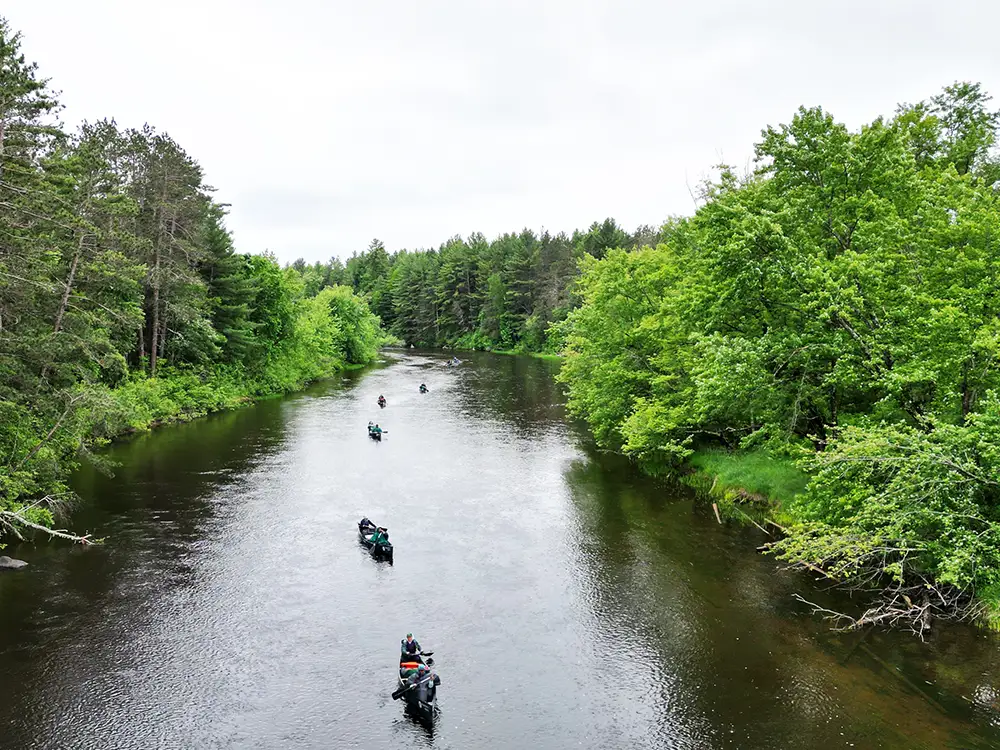
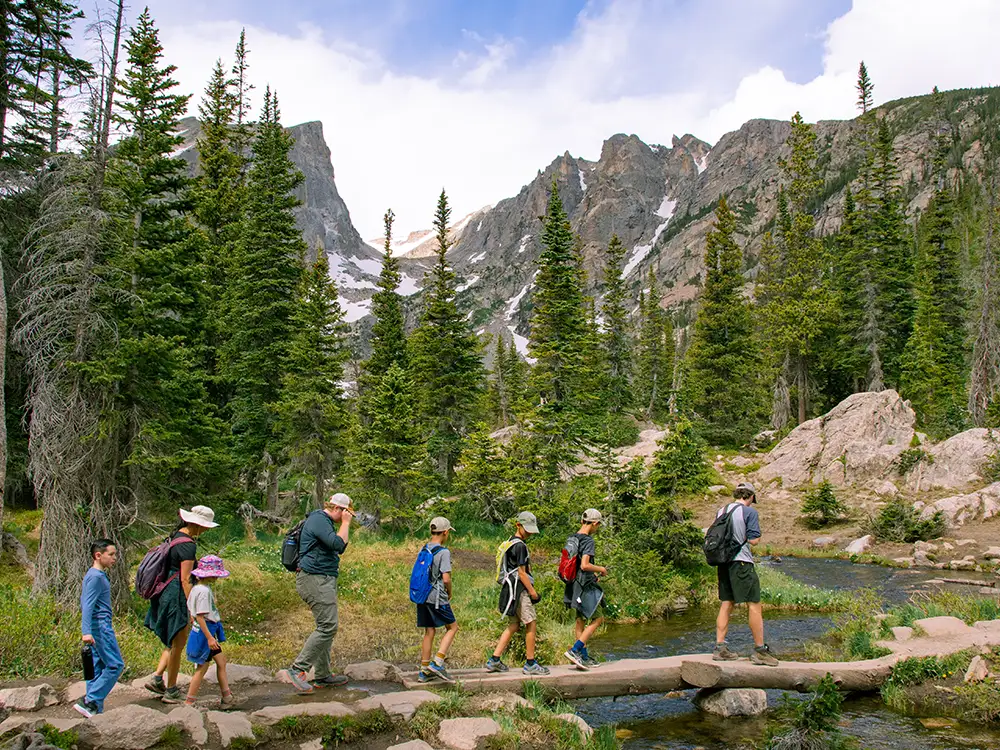
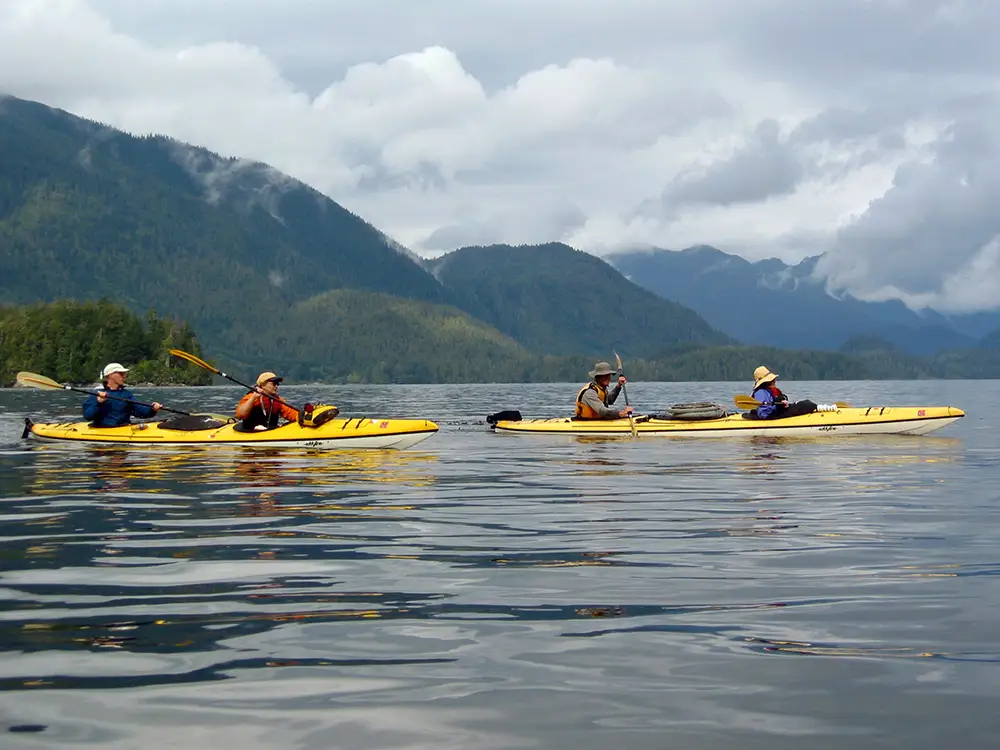
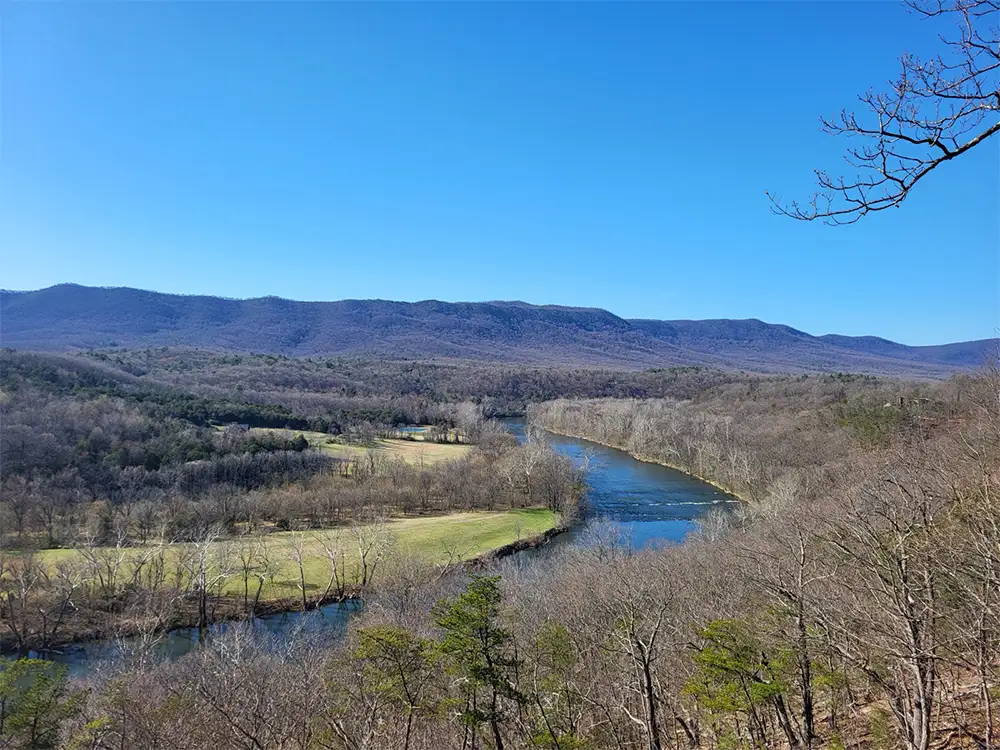
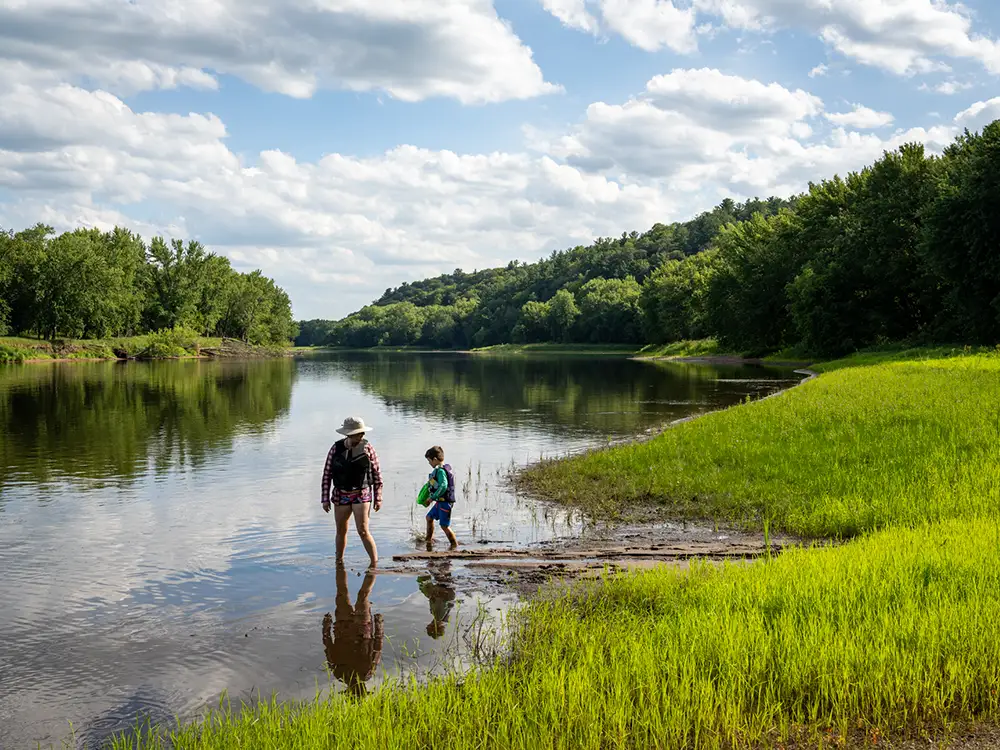
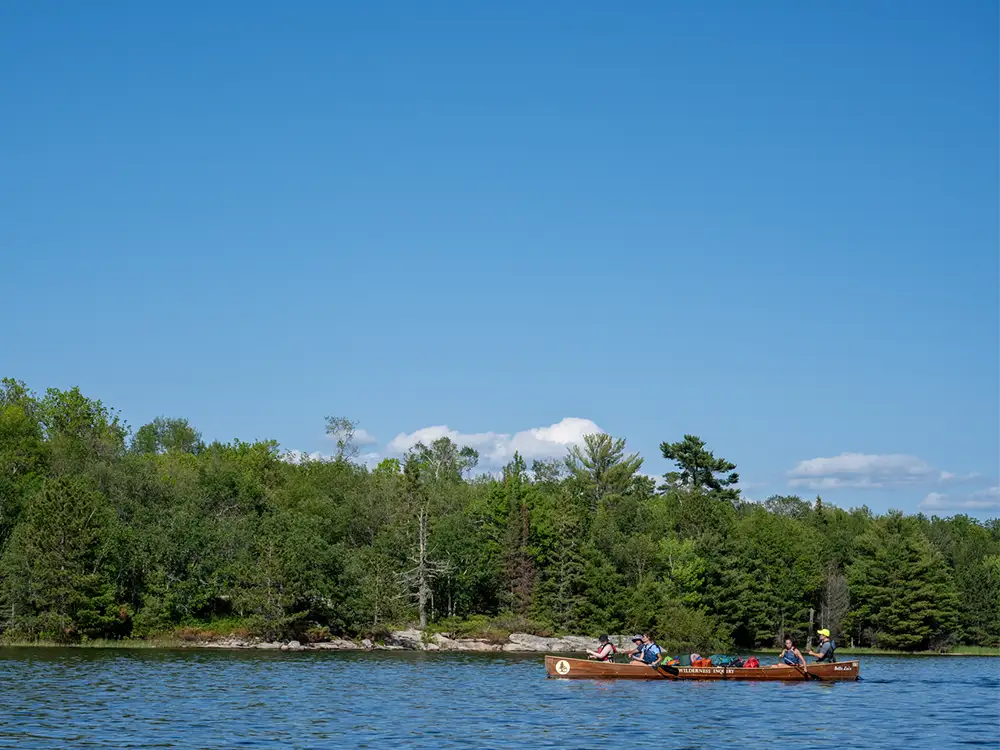
Explore Dashwa Narrows, Volcano Bay and Camp Mine Narrow while paddling the remote White Otter Wilderness Area. You will view Native American pictographs and gigantic rock cliffs while you navigate WOW's intricate web of lakes, rivers, streams and bogs. Beaver, moose, wolves, black bear, lynx, and even woodland caribou abound in this area northwest of Quetico Provincial Park in Ontario, Canada. Don't forget your fishing rod and make sure to ask your trip leader to share the legend of Jimmy McQuat's log castle and his mail-order bride. If you have enjoyed the BWCA and Quetico, maybe it's time to head further up the trail to the White Otter Wilderness with Wilderness Inquiry.
Sample Itinerary
Please note: While the itinerary presented is an accurate depiction of what your trip will be like, it is only an example. Our trips are real adventures in the outdoors--not pre-packaged tours that happen on a schedule.
DAY 1: Your trip begins in Brown's Clearwater Resort in Atikokan, Ontario. Ride with the group from Minneapolis or meet the group after dinner, discuss expectations and get started on sorting and sizing gear. You'll want to get a good night's sleep, to be ready to go the next day.
DAY 2: Start your White Otter Canoe trip early in the morning at Eye Lake Portage, located on the south end of Dashwa Lake. Paddle across Dashwa Lake and head towards the first campsite, located on an island. Have dinner, getting to know our tripmates and talking about expectations around the fire.
DAY 3: Break camp and paddle north through the Dashwa Narrows, Volcano Bay and Camp Mine Narrows. Tackle the first portage, leading to the bottom of Wasp Lake. Paddle north on Wasp Lake, passing through a small spillway covered with a canopy of trees, leading into the heart of Wasp Lake. Camp this evening at an island site with a spectacular view of the western sky.
DAY 4: Pack up camp and head towards the mouth of the Gamble River. Paddle down the Gamble River into Below Bow Lake. Stop for lunch along the way and relax in the sun or take a swim. Complete two small portages to a small inland lake and spend the night.
DAY 5: Rise early and eat a hearty breakfast. Portage a number of times on the trip back to Eye Lake Portage. Paddle down the Camp Mine Narrows and camp at a beach on Volcano Bay.
DAY 6: Enjoy a leisurely morning and then, paddle way to the eastern side of Dashwa Lake for the final night. Camp on a peninsula site facing the southwest. Reminisce about the trip around the campfire, sharing reflections and stories.
DAY 7: Rise early and have breakfast. Paddle back to Eye Lake Portage and load in the van where the trip officially ends in the late morning. Those who used WI's transportation can expect to return to Minneapolis late that evening.
Travel, Terrain, Etc...
TERRAIN/ROUTE CHOICES: This area lies on the Canadian Shield and is characterized by exposed granite with a thin layer of top soil, the result of glaciers scraping and grinding as recently as 10,000 years ago. Wheelchair users can expect difficulty at times (rocks, mud, logs, etc.). Generally, though, the lakes and rivers make this area quite accessible. We usually start on Clearwater West Lake and travel through smaller lakes to another large lake called White Otter.
TYPE OF TRAVEL/DISTANCE: You will travel in 17-foot Alumacraft canoes, which hold two to three paddlers, plus all necessary gear. An average day's travel consists of 3-5 hours of paddling, depending on the weather. Travel distances vary from 9-20 miles per day with the exception of scheduled layover days. Expect an average of 1-2 portages (short trail crossings) per day. Portaging can be challenging, but it also offers a chance to get out of the canoes and enjoy the woods. To protect the environment, WI uses Leave No Trace camping techniques.
WEATHER: Temperatures in the summer months range from 35 F to 95 F. Rainfall can vary, but you should expect one or two days of wet weather.
LODGING/BATHROOM FACILITIES: This is a camping trip. At night you will sleep in a comfortable Eureka Timberline tent. Typically, there are 3 people per 4 person tent (although other arrangements can be made). We recommend that you bring your own personal sleeping bag and "camprest" foam core inflatable mattress (a limited number of sleeping bags and mattresses are available as loaners for individuals who need them). Bathroom facilities consist of a foldable commode chair set up with a privacy tent if necessary. We make every effort to ensure privacy and cleanliness.
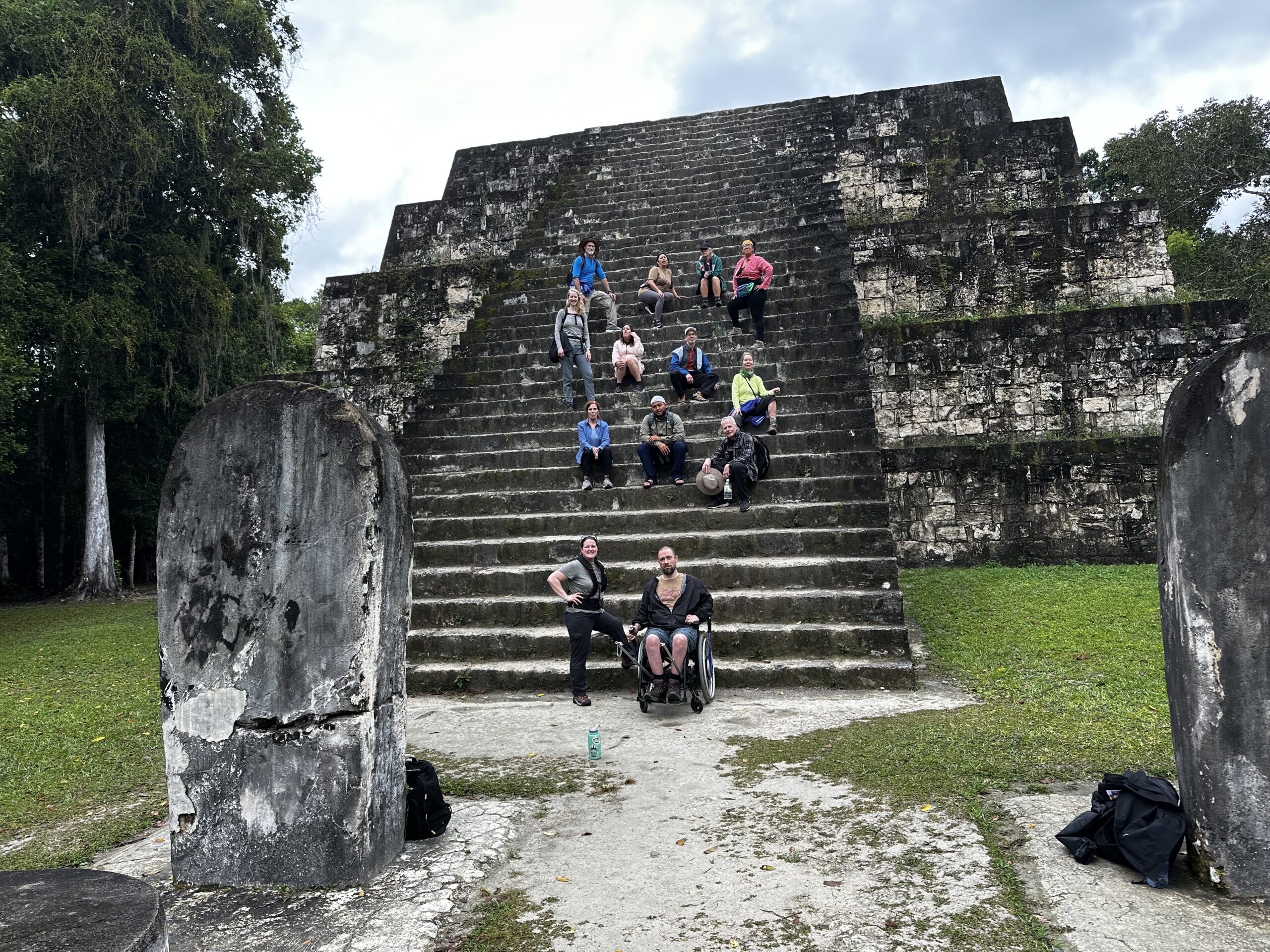
GROUP SIZE: The group size ranges from 10 to 12 participants, plus 2 or more Wilderness Inquiry staff. Each group consists of people of various ages, backgrounds and abilities, including people with disabilities.
CAMP CHORES: Our trips are cooperative in nature. WI staff will assist you in whatever areas you need, however most people pitch in where they can. Part of the adventure involves learning about daily camp activities.
EQUIPMENT AND CLOTHING: If you are new to outdoor activities, you need not spend a lot of money on gear. Wilderness Inquiry will provide all necessary canoeing and camping equipment. All you need to provide is your personal gear, such as clothing and a sleeping bag. A detailed equipment list will be sent to you upon confirmation of your participation. If you need to borrow personal gear, that can usually be arranged.
LEVEL OF DIFFICULTY: No previous experience is needed to complete this trip.
BORDER REQUIREMENTS: This destination is outside the US and has special special requirements for crossing the Canadian border. If you are interested in this trip, visit: www.cbp.gov/xp/cgov/travel/vacation/ready_set_go/ to learn more about the requirements.
 |
Wilderness Inquiry is proud to serve Caribou Coffee on all our trips. Great food, great coffee, and great company are just some of the ingredients that make Wilderness Inquiry trips special.
|
[ Dates & Fees ]

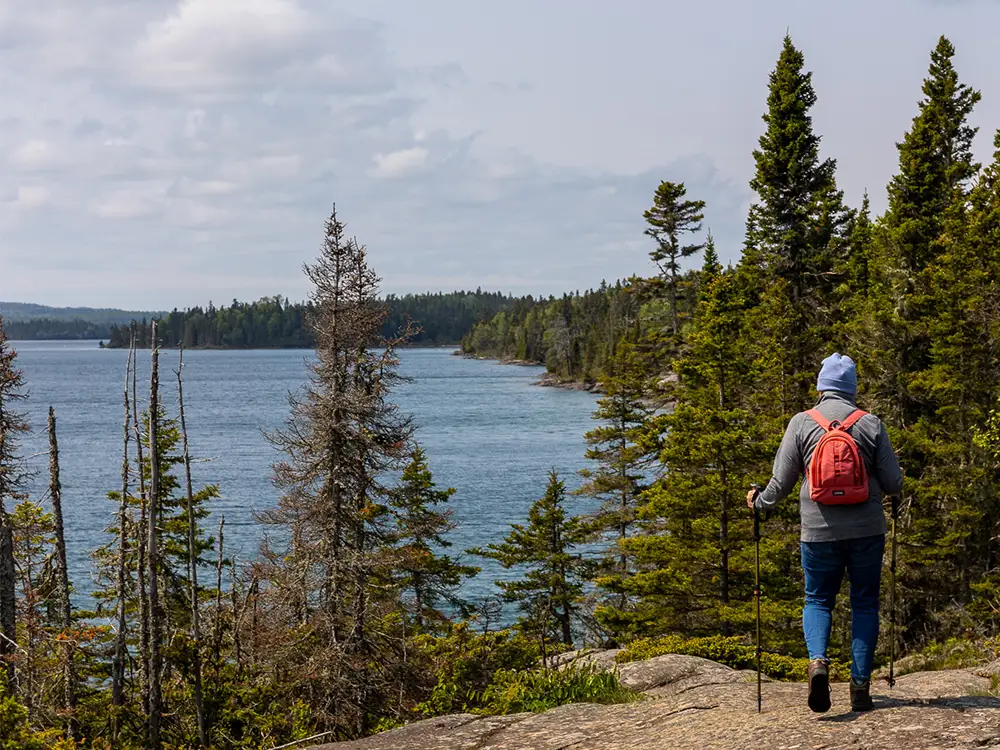
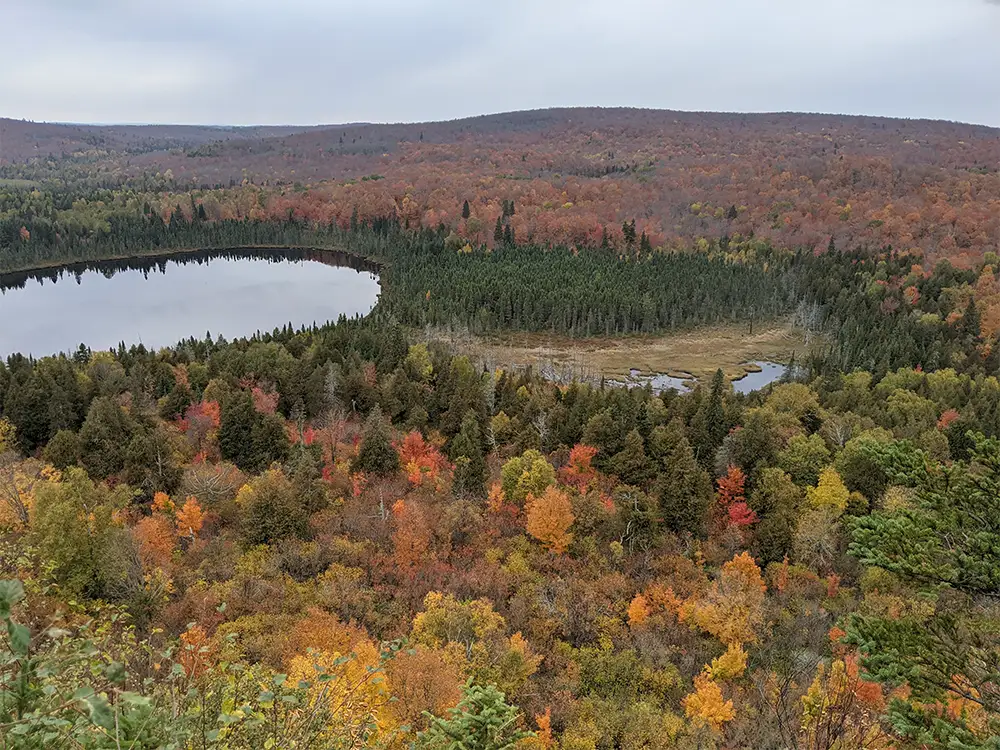
The White Otter Wilderness (WOW) is an immense wilderness area in Ontario just north of Quetico Provincial Park. It features the same wilderness and ecosystem qualities as the Boundary Waters Canoe Area Wilderness in Northern Minnesota. It is noted for its beautiful sand beaches and the historical White Otter Castle (a 3 story Scottish style log castle built by hand by one man - Jimmy McQuat - at the turn of the century).
The WOW is covered with lakes formed by glaciation. This country is part of the Canadian Shield, a geological formation that comprises portions of the earth's most ancient exposed rock, some of which is 3 billion years old!
Two forests, the Boreal and Laurentian forests, converge to create a unique and diversified plant and animal life. Animals that would not normally be seen together, such as the white-tailed deer and the moose, have made the WOW their homes. Many birds, such as the bald eagle, loons and over 20 species of wood warblers, use the WOW as their nesting grounds.
Humans have left their mark on the area as well. Natives have inhabited the area for thousands of years, with some human relics dating back to 10,000 B.C. The Ojibwe and Dakotas have used the intricate waterways for hundreds of years. Many of the portages (paths between lakes) were first used by native peoples. Artifacts from that period still turn up on the portages. European fur traders and missionaries first came into the area in the early 1700s. A merger of sorts developed between the European Voyageurs and the Ojibwe based on trade of European goods for native knowledge and furs. This partnership ended in the mid 19th century due to the near total extinction of the beaver population and declining interest in furs as fashion.
For more information, visit these links:
Canadian Boundary Waters
White Otter Castle
Ontario Parks Quetico information
[ Dates & Fees ]
WI leads trips to this destination but currently has no dates scheduled. If you have a group of people interested, we can set up a customized adventure just for you! Please contact us if you are interested in a group trip to this destination.
info@wildernessinquiry.org
612-676-9400
800-728-0719
(Join our waiting list to be notified when WI schedules a trip to Ontario's White Otter Wilderness Canoe)