home   register   about us   programs   get involved   support wi   news   contact us 
General Trip Info

Superior Hiking Trail Lodge Based Adventure

Enjoy the North Shore of Lake Superior by day and a cozy lodge at night

Click any thumbnail for larger image:


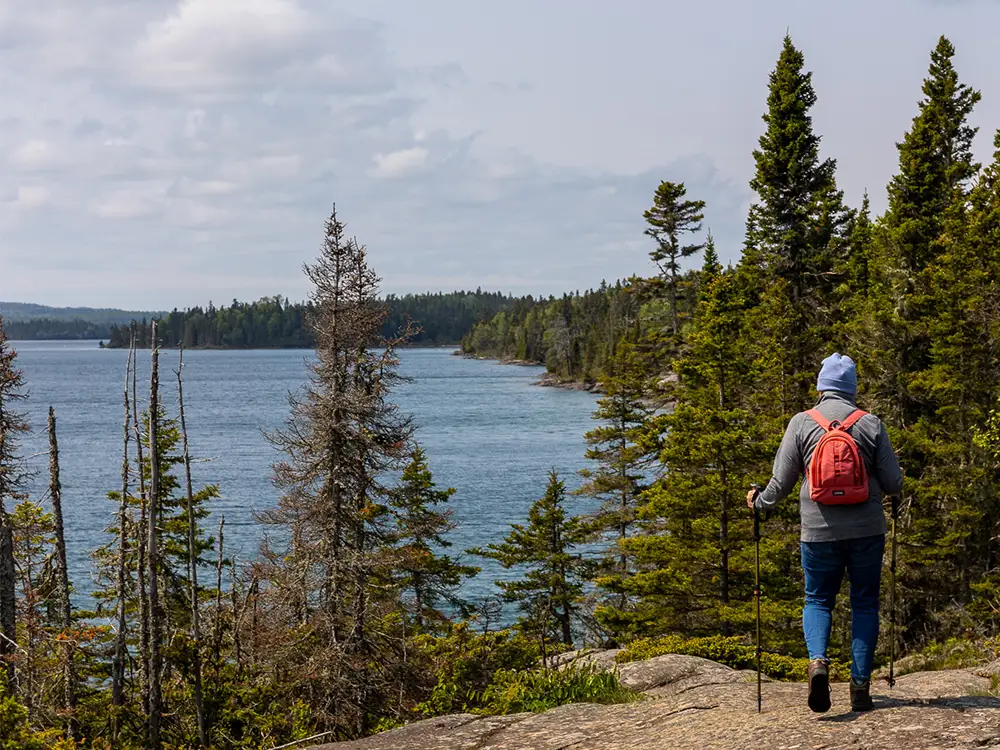
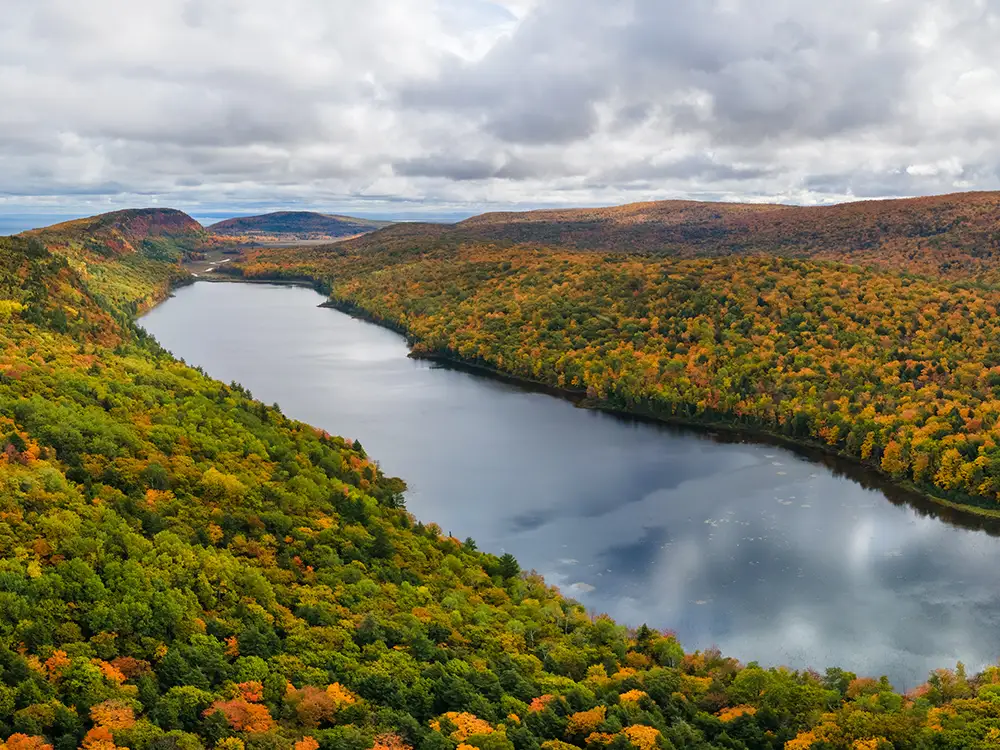
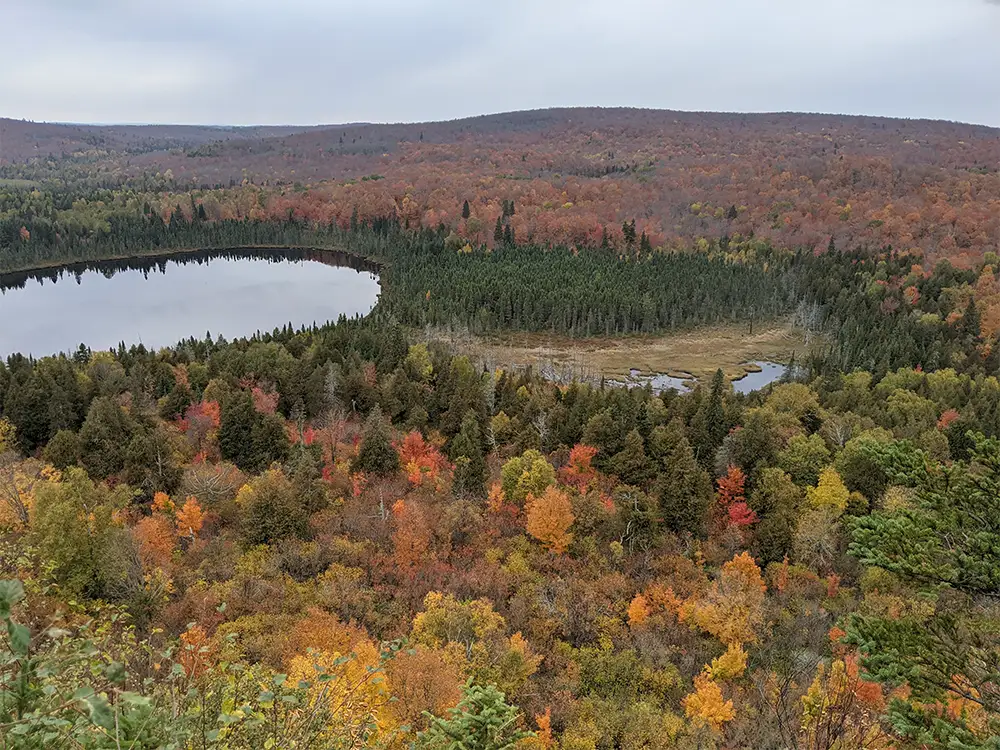
One of many beautiful lakes tucked back in on the Superior Hiking Trail.
photo by: Sheffield, A.
Bright colored trees and ridges
Flaming Maple Ridge near the tip of Minnesota's arrowhead is palette of color during the fall.
photo by: unknown
Red maple leaves looking up.
Red maple leaves on a fall colors tour trip on the Superior Hiking Trail.
photo by: Brandenburg, J

Shovel Point on the north shore of Lake Superior.
photo by: unknown

New friends are made under the brilliant colors of the Superior Hiking Trail during the fall.
photo by: Sharp, K

Hiking near a North Shore waterfall on the Superior Hiking Trail.
photo by: Reily, C

There is a bit of elevation on these day hikes, but with only a day pack it is not difficult.
photo by: Sharp, K

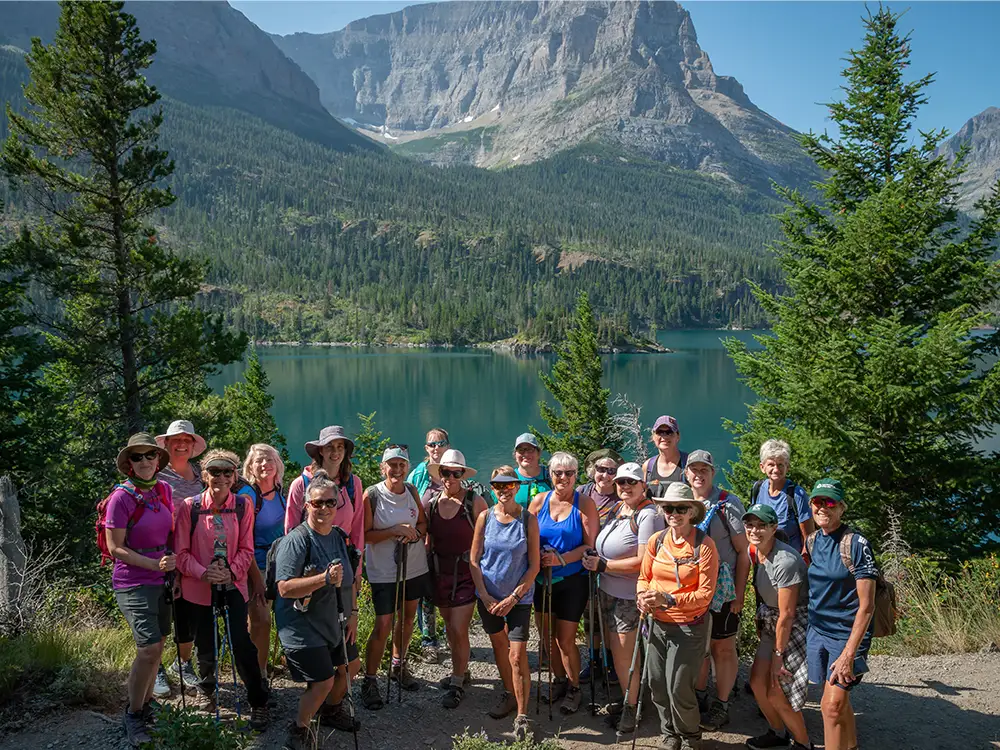
Mugging for he camera on a Superior Hiking Trail women's trip.
photo by: Sharp, K

There are many waterfalls and cataracts along the Superior Hiking Trail.
photo by: Brandenburg, J

There are many waterfalls along the Superior Hiking Trail.
photo by: Walz, A

Baby Raven says hello on the Superior Hiking Trail.
photo by: Mead, Jenny

Hike along the North Shore of Lake Superior.
photo by: Dunn, A

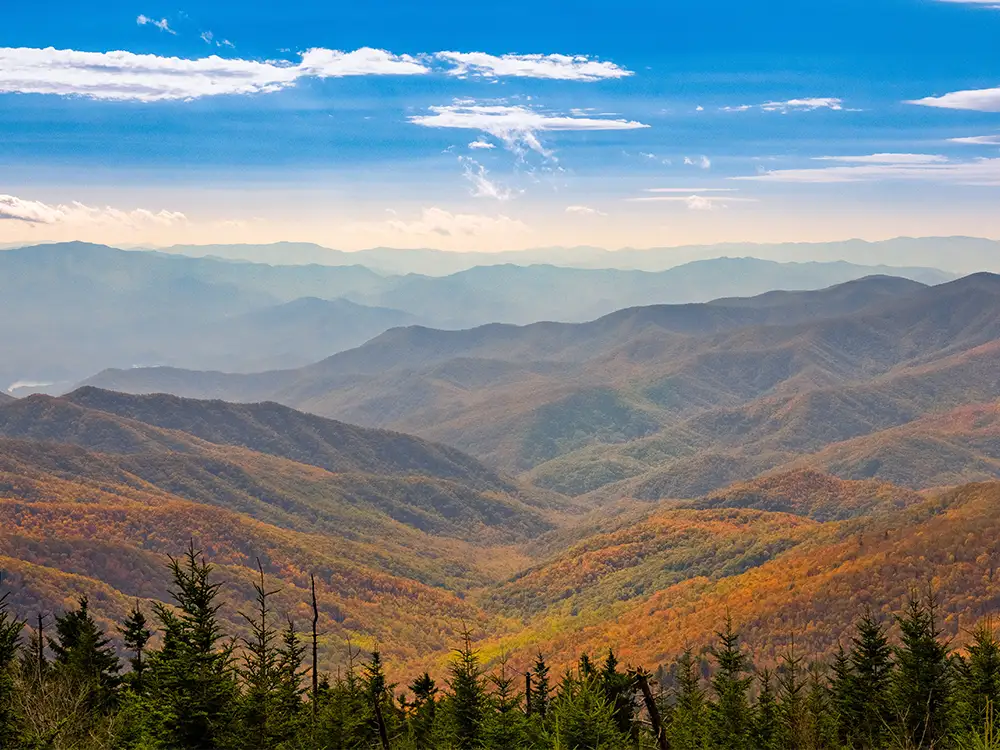
Whate a view! Sweeping vista of fall colors on the Superior Hiking Trail.
photo by: Ludack, K

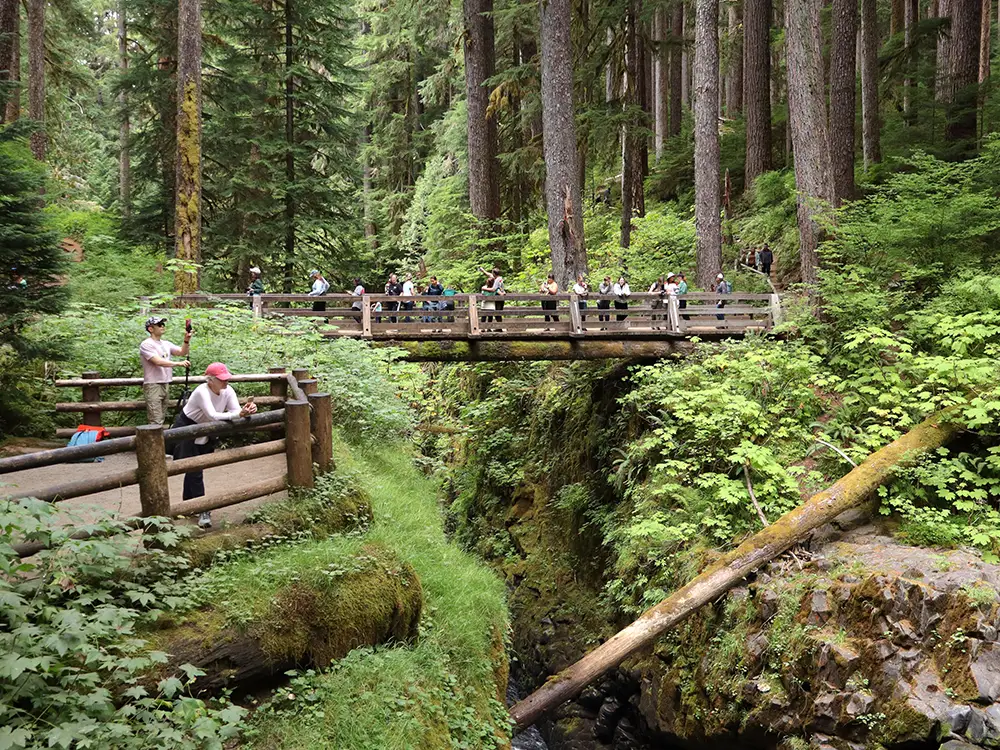
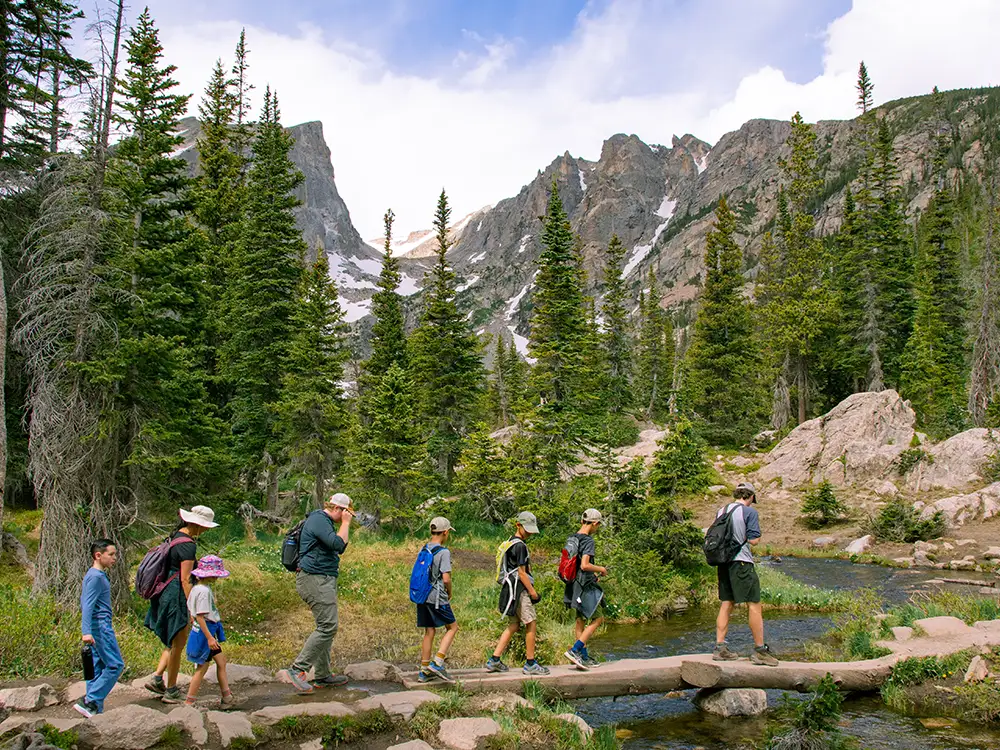
Lined up on a footbridge on the Superior Hiking Trail.
photo by: Baustian, C

Pigeon Falls on the U.S. - Canada Border is a highlight on the Superior Hiking Trail
photo by: Gaynor, D

Page 1 of 2 | Next | Last


[ Dates & Fees ]

Superior Hiking Trail Lodge Based Adventure

Enjoy the North Shore of Lake Superior by day and a cozy lodge at night

Red maple leaves on a fall colors tour trip on the Superior Hiking Trail.

Experience the serenity and beauty of Minnesota's North Shore while enjoying the comfort of a cozy lodge at night. Explore the rivers, creeks, and waterfalls along the Superior Hiking Trail while soaking in the scenic vista along the way. Search for agates on the beaches of Lake Superior and visit the picturesque harbor village of Grand Marais. Take in panoramic views from Pincushion Mountain, Cascade River State Park, and Split Rock Lighthouse. Relax in the evening at your lodging nestled on the Superior shoreline while visiting with new friends.

Sample Itinerary

Please note: While the itinerary presented is an accurate depiction of what your trip will be like, it is only an example. Our trips are real adventures in the outdoors--not pre-packaged tours that happen on a schedule.

DAY 1: Meet at lodge in the afternoon. Settle into your accommodations and explore the grounds and shoreline. Enjoy a welcome dinner and learn about the plans for the next three days of your trip. Relax around the fireplace, enjoy a cup of warm cider or tea, and get acquainted with your fellow trip participants.

DAY 2: Start the day early with a hearty breakfast and then head off for a day of hiking in Cascade River State Park. Hike the 7.8 mile Cascade River loop while taking plenty of time out to enjoy scenery such as Cascade Falls, the "secret waterfall" and the views from several bridges. Enjoy a relaxing picnic lunch and maybe a brief snooze or chat with one of your trip companions. Return to Namaste house in late afternoon and enjoy some personal time before dinner. After dinner, there will be a short activity and then time to star gaze from the deck or enjoy the sounds of the Superior shore warmed by the heat of a campfire.

DAY 3: Enjoy breakfast, and head out to Split Rock Lighthouse State Park to hike the 5 mile Split Rock River Loop. This is one of the premier day hike loops on the Superior Hiking Trail. Some washouts, steep banks, and occasional overlooks make this section moderately challenging and interesting as it courses generally 50 feet above the river. The river cascades past cliffs and through clefts of sheer red rock walls draped with conifers. After crossing the bridge, the descending trail affords some beautiful views of the river valley before leaving the river and remaining rather level until reaching a park shelter with a commanding overlook of Lake Superior. Enjoy a final lunch while viewing Lake Superior and then complete the remainder of the hiking loop. In mid afternoon, bid farewell to your new found friends and begin the journey home.

Travel, Terrain, Etc...

TERRAIN/ROUTE CHOICES: The Superior Hiking Trail (SHT) is characterized by ascents to rock outcroppings and cliffs, and descents into numerous river and creek valleys crossed by attractive and functional bridges. The SHT traverses a rich variety of terrain and habitat types. Much of the trail is easy walking but you will encounter sections with numerous steps and steep grades.

TYPE OF TRAVEL/DISTANCE: We will hike moderate distances each day (3-8 miles). There will be plenty of opportunities for exploration. The group will carry lightweight day packs with their personal and lunch items.

WEATHER: The average temperature in September is 63 degrees Fahrenheit and rain is always a possibility. Weather in the area is strongly influenced by Lake Superior and can change suddenly.

LODGING/BATHROOM FACILITIES: Lodging will be in a roomy house and guest cottage (normal capacity is two people per bedroom) located on the shore of Lake Superior. There are three fully modern bathrooms. Enjoy the lake views from the deck and relax around the cozy fireplace.

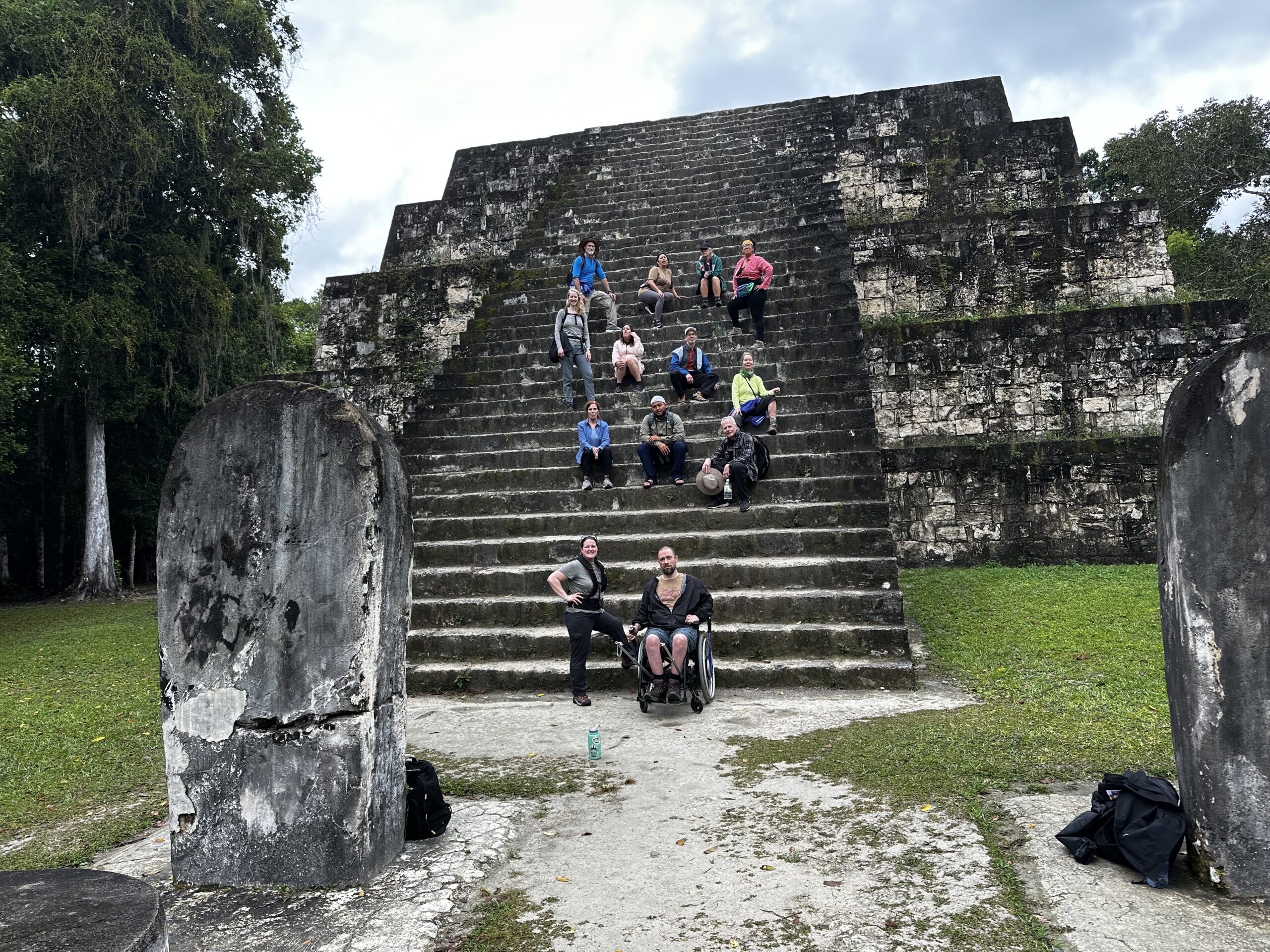
GROUP SIZE: The group size ranges from 8 to 12 participants, plus 2 or more Wilderness Inquiry staff. Each group consists of people of various ages, backgrounds and abilities, including people with disabilities.

Trip Chores: Our trips are cooperative in nature. WI staff will assist you in whatever areas you need, however most people pitch in where they can.

EQUIPMENT AND CLOTHING: If you are new to outdoor activities, you need not spend a lot of money on gear. Wilderness Inquiry will provide all necessary hiking and cooking equipment. All you need to provide is your personal gear, such as clothing, day pack, and hiking boots. A detailed equipment list will be sent to you upon confirmation of your participation. If you need to borrow personal gear, that can usually be arranged.

LEVEL OF DIFFICULTY: No previous experience is needed to complete this trip, however, we will be hiking 3 to 8 miles each day at a moderate pace over varied terrain (occasionally hilly/steep).

Wilderness Inquiry is proud to serve Caribou Coffee on all our trips. Great food, great coffee, and great company are just some of the ingredients that make Wilderness Inquiry trips special.

[ Dates & Fees ]      


Guide to the Superior Hiking Trail - Superior Hiking Trail Association

The Superior Hiking Trail is 205 miles long. The Trail currently begins just north of Two Harbors, MN and ends just before the Canadian border. The first documented through-hiker of the Trail was Paul Hilna in 1995. Paul raised pledges for the SHTA and Wilderness Inquiry as he hiked the length of the trail with crutches due to his paralyzed lower extremities.

The first people to enter the North Shore region arrived around 10,000 years ago. These Native Americans, called Paleo-Indians, entered the region during the final retreat of the Wisconsin Glaciation. As the Superior ice lobe melted back to the northeast, it blocked the present outlet of Lake Superior, causing lake levels to rise above their present levels by up to 450 feet.

The Old Copper Culture followed the Paleo-Indian cultural tradition around Lake Superior and existed from about 5000 years ago until about 2000 years ago. During this time the Indians used raw native copper, found on Isle Royale and in northern Michigan, hammering it into tools. Occasionally copper artifacts, in the form of spear points, knives, and fish hooks, are found along the North Shore.

Many waves of Indian people inhabited the North Shore prior to the European contact. The first Europeans, French explorers and fur traders, first reached the Lake Superior country about 1620. At that time, the Ojibwa inhabited the eastern end of the lake as far west as the Upper Peninsula of Michigan. By 1650 the French had encountered the Dakota, or Sioux, at the head of the lake. Along the North Shore lived the Assiniboine, and the Cree, who moved farther to the west and north.

By 1780, the Europeans had established fur trading posts at the mouth of the St. Louis River and at Grand Portage. The Ojibwa were firmly established on the western end of the lake and in northeastern Minnesota. In 1854, the Ojibwa signed the Treaty of La Pointe, which opened up northeastern Minnesota to mineral exploration and settlement. The first permanent settlement was a group of Germans from Ohio who settled at Beaver Bay in 1856. The late 1800s saw a rise of commercial herring fishing along the North Shore, and it was said that nearly every cove harbored at least one fisherman's shanty.

Across Lake Superior, Michigan lumber barons had cut most of the big stands of virgin white pine in Michigan by 1890. They then set their sights on Lake Superior's North Shore. Between 1890 and 1910, millions of board feet of red and white pine were cut from the hills along the North Shore.

Ever since northeastern Minnesota was opened to exploration, mining has had an active history on the North Shore. Small, unproductive copper explorations began along some of the rivers in the 1850s and 1860s. In 1884, high grade iron ore from the Iron Range in northeastern Minnesota started shipping from the huge ore docks in Two Harbors on ore boats bound for the mills on the lower lake.

Taconite, a material refined from low-grade iron ore, was produced in the 1950s from mines on the Minnesota Iron Range. Taconite pellets continue to be processed and shipped to refineries on the lower Great Lakes from Duluth, Two Harbors, Silver Bay and Taconite Harbor.

Geology of North Shore Waterfalls

Many beautiful waterfalls bless the North Shore, including several that give the name to the Cascade River. The abundance of waterfalls is basically the result of two factors:

1) The profound erosion of the Lake Superior basin by the great Ice Age glaciers, which led to the steep slope of the North Shore; and 2) the occurrence of hard igneous rocks underlying the coastal zone. The fast-running rivers have eroded the softer bedrock to form the deeper parts of the gorges. However, the bedrock has some harder parts, such as dikes or the lower parts of lava flows, and these resist erosion, leading to falls and cascades. Many of the falls on the Cascade River represent individual basalt lava flows.

Animals of the Superior Hiking Trail

There are three main habitats to the Trail. The Northern Hardwoods group, the Boreal Forest group, and the Border group. Members from each of these forest groups exist side by side in a wide variety of plant communities. When hiking along the trail, you may encounter animals of three basic types:

1) Small animals, which are common but seldom seen, including shrews, voles, mice and weasels.

2) Medium-sized animals which are somewhat common and often seen, including white-tail deer, moose, black bear, snowshoe hare, red squirrel, beaver.

3) Medium to large, generally carnivorous animals which are rare, wide-ranging and also seldom seen, including timber wolf, coyote, lynx and bobcat.

On a typical day hike you probably won't see a lot of animals besides birds and insects. However, white tail deer, the snowshoe hare, and the red squirrel, among others are commonly seen. In the muddy sections of the trail, you may want to look for tracks of deer, moose, and wolves - animals likely to use the tails as an easy path through remote woods.


For more information, visit these links:

Superior Hiking Trail Association

Gooseberry Falls State Park

Split Rock Lighthouse

[ Dates & Fees ]


2010 Dates   Fee  
09/03/2010 - 09/05/2010 $395
09/17/2010 - 09/19/2010 Women's Trip $395 Register Now
09/24/2010 - 09/26/2010 $395 Register Now
10/01/2010 - 10/03/2010 Women's Trip $395 Register Now
2011 Dates   Fee  
05/20/2011 - 05/22/2011 Women's Trip $395 Register Now
09/02/2011 - 09/04/2011 $395 Register Now
09/16/2011 - 09/18/2011 Women's Trip $395 Register Now
09/23/2011 - 09/25/2011 $395 Register Now
09/30/2011 - 10/02/2011 Women's Trip $395 Register Now

Transportation

The trip starts and ends South of Grand Marais, MN. You can drive there on your own or take the Wilderness Inquiry van to and from Minneapolis for an additional fee. Detailed meeting place instructions will be sent to you when you are confirmed for the trip.

Meeting Places: Additional Round-trip Fee:
Minneapolis, MN - WI Headquarters $75 per person
Duluth - Thompson Hill $45 per person
Cascade Rentals $0 (No charge)
Printer Friendly Page
printer friendly
Quick Trip Facts:
  • 3 days, 2 nights
  • Stay in cozy lodge
  • Enjoy brilliant fall colors
  • Two Wilderness Inquiry Guides
  • All meals and snacks
  • All outdoor trail gear provided
  • Shuttle service during the trip
  • Adaptive gear as needed


Can you find the moose in the pond?