home   register   about us   programs   get involved   support wi   news   contact us 
General Trip Info

South Africa's Kruger National Park

See the Big Five in South Africa's Gem

Click any thumbnail for larger image:


photo by: Unknown


photo by: Anthony, S


photo by: Anthony, S


photo by: Anthony, S


photo by: Quinn, M


photo by: Quinn M


photo by: Hansen L


photo by: Janet Ames


photo by: Quinn M

Young ladies out for an evening stroll.
photo by: Croone, B


photo by: Anthony, S

Hippos sleeping.
photo by: Hunter, K


photo by: Anthony, S


photo by: Janet Ames

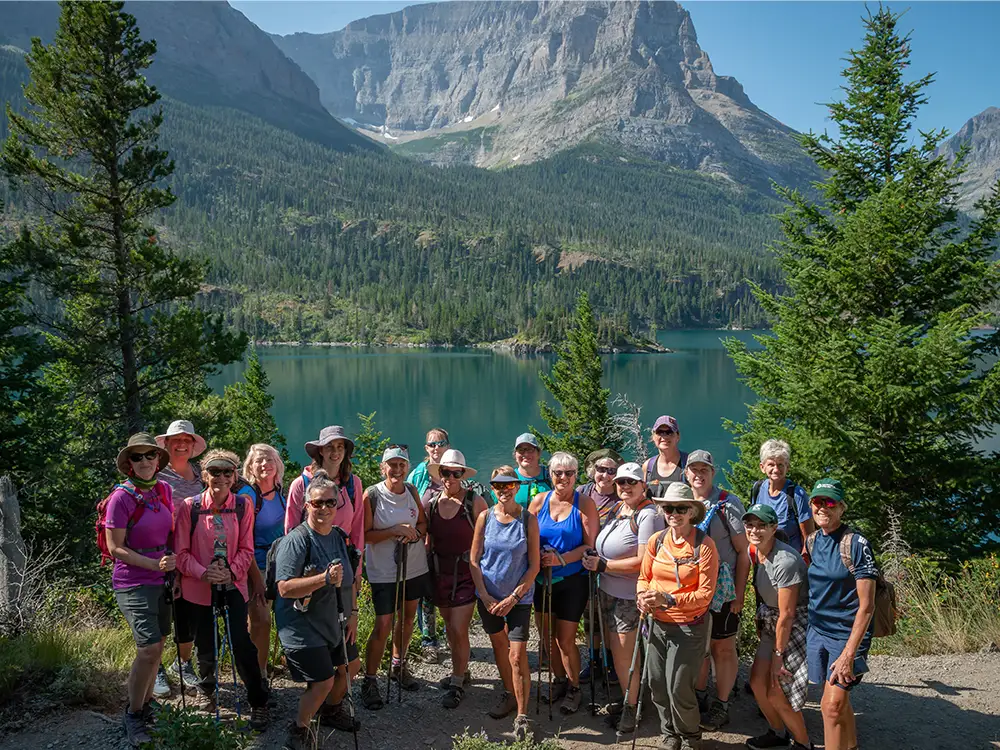
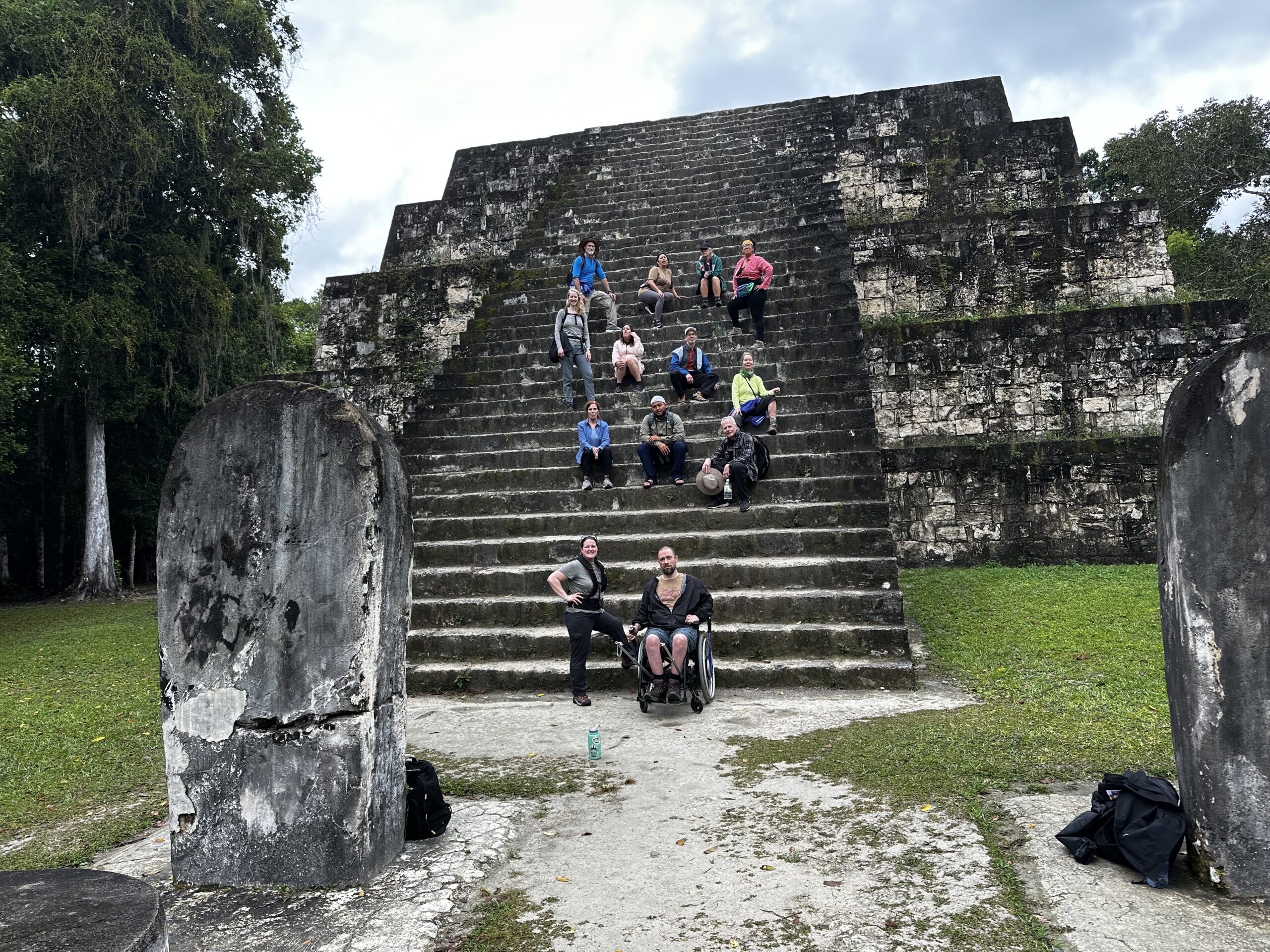
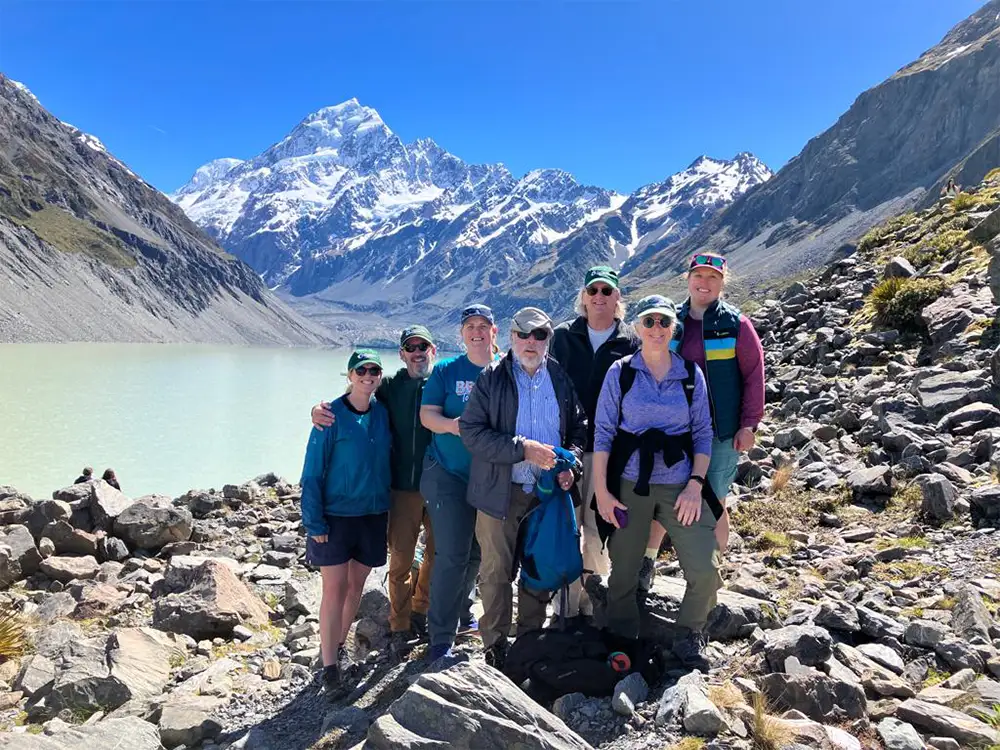
WI group basks on a rock in Kruger.
photo by: unknown

Page 1 of 4 | Next | Last


[ Dates & Fees ]

South Africa's Kruger National Park

See the Big Five in South Africa's Gem

Elephant crossing in Kruger.

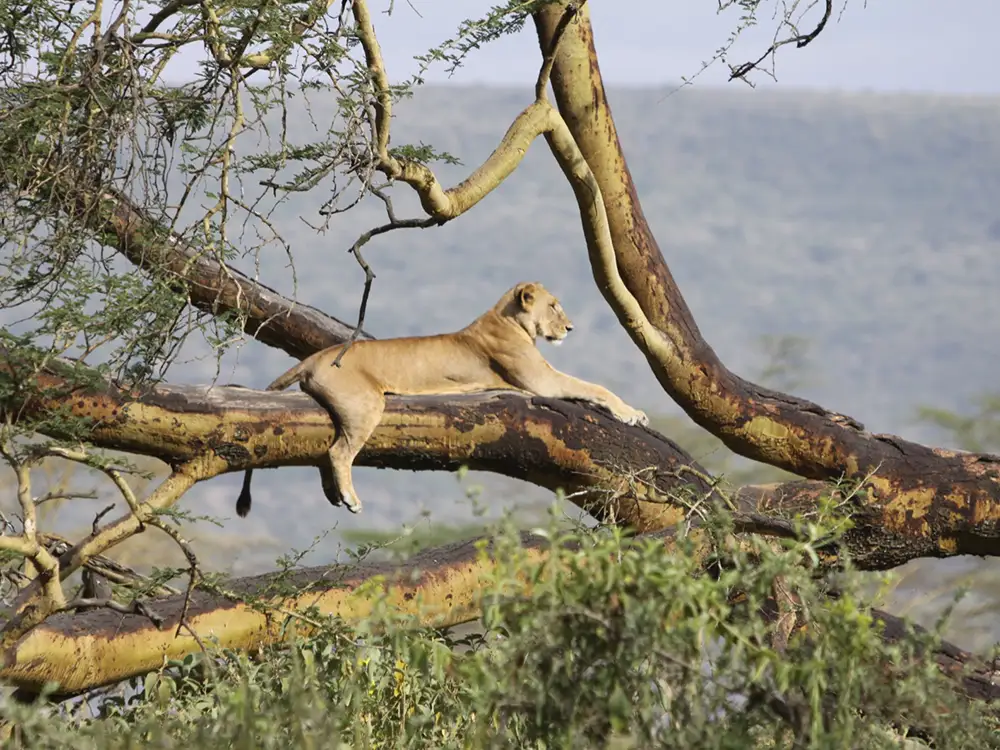
Explore Kruger National Park, the largest and oldest wild game reserve in Africa. Observe some of the greatest wildlife Africa has to offer on 'bush walks' and game drives with Park Rangers. Explore the variety of African landscapes from the extensive grassy plains to the lush riparian vegetation. If lucky, witness and photograph Africa's amazing animals, including the 'Big Five', -- the lion, leopard, rhino, elephant, and buffalo! View white rhino, Kudu, Hoopoe Bird and other rare species on daily safaris. Get a true taste of Kruger's natural environment in this 6 million acre national park, unrivaled in the diversity of its fauna!

Sample Itinerary

Please note: While the itinerary presented is an accurate depiction of what your trip will be like, it is only an example. Our trips are real adventures in the outdoors--not pre-packaged tours that happen on a schedule.

DAY 1: Meet your group the evening before the trip begins at the Emerad Guest House close to Johannesburg International Airport. Participants can take the free shuttle from the airport to the Emerald Guest House and meet group leader in the hotel lobby upon arrival.  Room reservations and cost will be covered by Wilderness Inquiry, meals prior to DAY 1 will be on your own.

DAY 2: Get acclimated to the area and drive from Johannesburg to Kruger National Park. Typically we enter the park the south, at the Malelane Gate and spend the first night at Berg-en-Dal rest camp. This is about a 6-7 hour drive. At the Park entrance, stop at the bridge over the Crocodile River and have your first close look at wild Africa.

DAY 3: Take your own safari drive in the park looking for animals and birds. Berg-en-Dal has a nature trail on its perimeter with lots of large animals on the other side of the fence. There is even a swimming pool for lounging around. Wildlife to seek: Rhino, Leopard, Klipspringer, Scarlet-chested Sunbird and Cape Buffalo.

DAYS 4 - 5: Travel to Skukuza camp. This is the main camp within Kruger National Park. It is situated on the banks of a small river teeming with hippos and crocodiles. This camp has a charming restaurant and a native crafts shop. Wildlife to seek: Elephant, Lion, Hippopotamus, Nile Crocodile, and Martial Eagle.

DAYS 6 - 7: Travel to Shingwedzi, which lies in the central part of the park. You will drive one of the most rewarding and scenic drives in the Park, following the Shingwedzi River. Waterbuck, nyala, kudu and elephant are often seen along this route, and the bird life is prolific. Wildlife to seek: Giant Eagle Owl, Elephant, Spotted Hyena, and the Secretary Bird.

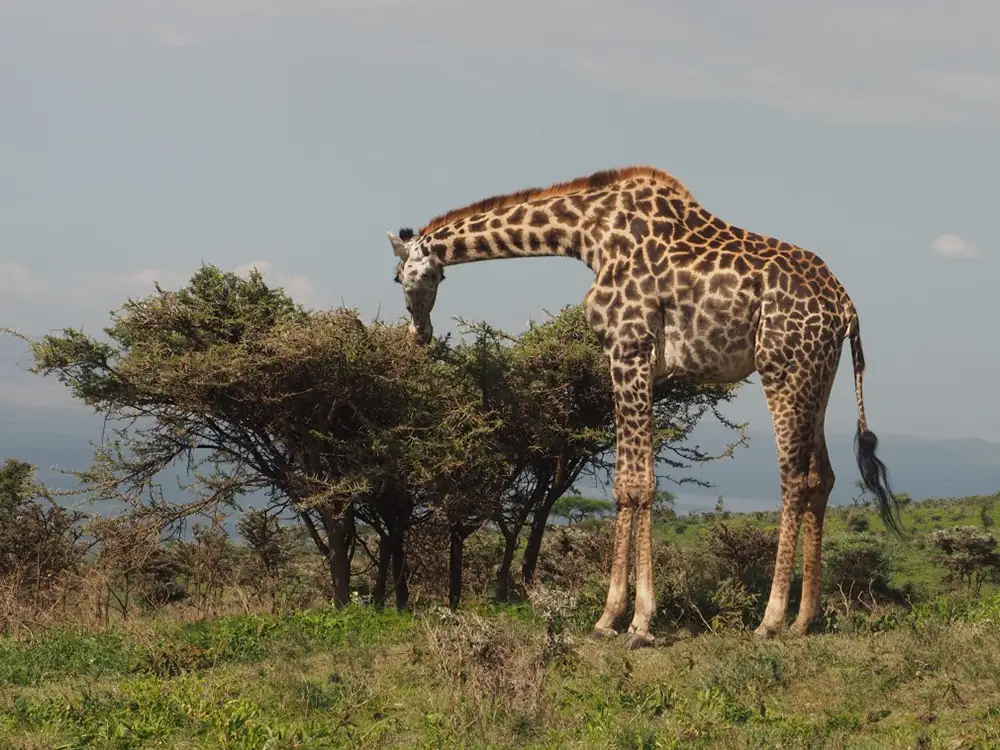
DAYS 8 - 9: Move to Satara, an excellent game viewing area, where the bush is relatively open and the animals are plentiful and diverse. The camp is well wooded and the bird-life is varied. This is a good camp for taking a bush walk or a guided game drive. Wildlife to seek: Warthog, Lion, Giraffe, Blue Wildebeest, Marabou Stork, Goliath Heron and Zebra.

DAYS 10: Head to Lower Sabie, a small, delightful camp situated in the southeastern corner of Kruger National Park. This camp is located on the banks of a river, where the snorts of hippos will keep you awake all night. Visit a secluded game blind to sit quietly and view rare species of birds and animals. Wildlife to seek: White Rhino, Giraffe, Spotted Hyena, Kudu, and Hoopoe Bird.

DAYS 11-12: Begin the return to JNB. Put up tents in a secluded private camp and have a final dinner in an exceptional local restaurant. In the morning to return to Johannesburg International Airport. If time permits, take a tour of Joburg and Soweto, with a visit to the childhood home of Nelson Mandela.

Travel, Terrain, Etc...

TERRAIN/ROUTE CHOICES: Bring your best hiking shoes or boots. If you use a wheelchair it's best to bring wide, knobby tires.

TYPE OF TRAVEL/DISTANCE: Travel between destinations in comfortable vans. The group may also travel by 4-wheel drive Land Rovers, Jeeps, or other vehicles while on guided wildlife viewing trips. The group will also do short half-day hikes.

WEATHER: Temperatures in June can range from 40 F at night to 80 F during the day. This is the dry season. Days are usually sunny, nights are clear. Humidity is low and biting insects are scarce.

LODGING/BATHROOM FACILITIES: For 10 days you will live and travel outdoors. At night, you will sleep in tents. While camping within the park, bathroom facilities are very modern, with clean showers and full facilities. All camps have at least one accessible toilet/shower. We make every effort to ensure privacy and cleanliness. All camp areas are fenced, as animals roam free outside of camp. As always, WI staff will assist in every way possible participants who require additional help.

CAMP CHORES: Our trips are cooperative in nature. WI staff will assist you in whatever areas you need, however most people pitch in where they can. Part of the adventure involves learning about daily camp activities.

EQUIPMENT AND CLOTHING: If you are new to outdoor activities, you need not spend a lot of money on gear. WI will provide all necessary camping equipment. All you need to provide is your personal gear, such as clothing sleeping bag/pad, and a water bottle. A warm jacket or parka is needed for open-top Land Rover safaris. Good binoculars and cameras are highly recommended. A detailed equipment list will be sent to you upon confirmation of your participation. If you need to borrow personal gear, that can usually be arranged.

LEVEL OF DIFFICULTY: No previous experience is necessary to complete this trip.

Wilderness Inquiry is proud to serve Caribou Coffee on all our trips. Great food, great coffee, and great company are just some of the ingredients that make Wilderness Inquiry trips special.

[ Dates & Fees ]      


From the website krugerpark.co.za:

The first explorer to set foot in the region was the Dutchman Francois de Cuiper who led a Dutch East India Company expedition to explore. However, the expedition was attacked and driven by local tribes-people near Gomondwane. Only around 1838 Voortrekker expeditions led by Lous Trichardt and Hans van Rensburg were able to successfully establish forward outposts.

Hundreds of Europeans and farmers came to the Lowveld lured by rumours of gold and the great quantity of valuable commodities such as ivory and skins. This caused the number of game to dramatically decrease due to hunting and trading of animal skins and horns.

President Paul Kruger was told about the rapid destruction of wildlife in the area by hunters, after which he succeeded to persuade the Transvaal parliament to establish a protected area for the wildlife in the Lowveld region.

The "Sabie Game Reserve" , bordered by the Crocodile River in the south, the Sabie River in the north, the Lebombo Mountains in the east and the Drakensberg Mountains in the west, which is now the southern part of the Kruger National Park, was established in 1898. These reserves would eventually expand into today's Kruger National Park.

The Anglo-Boer War stopped any further development of the reserve, but the British, after winning the war, proceeded with the plan to develop the Sabie Game Reserve and gave the task to major James Stevenson-Hamilton in 1902 to protect the animals against hunters, ivory poachers and cattle farmers. The Park was opened to the public in 1927 for visitors to view animals and plant life in a area where they are protected.

After the Anglo-Boer War, James Stevenson-Hamilton was appointed as the first park warden. He spent the next 40 years protecting what the war had destroyed. His actions are no doubt an ever-living contribution to the Kruger National Park's current existence.

In addition to his animal conservation, James Stevenson Hamilton was also responsible for acquiring another 10 000 hex acres for the reserve. After World War I, the Kruger National Park was protected by the government of South Africa and remains under the watchful eye of the government even today.

The very first ranger in the reserve was Paul Bester who made his residence in a rustic rondavel (hut) which is now the site of the headquarters camp, Skukuza. Documents concerning the History of the Kruger National Park can be viewed at the Skukuza Library.

Half a million years ago, the first San stone age hunters roamed the plains in search of game. The modern day bush men have left fascinating rock paintings all over the Republic of South Africa, and, Kruger National Park contains over one hundred sites of these paintings.

The Kruger National Park is a living memorial to President Paul Kruger and those who have upheld his vision of a protected wilderness reserve which will forever remind us of that which we are so dangerously close to loosing.

From the South African National Parks website:

Kruger is one of the premier game-watching destinations in the world. Approximately 145 mammal species occur in the park. It is possible to see all the classical African big game, including elephant (KNP Elephant Census Summary), black and white rhino, hippopotamus, giraffe, zebra, buffalo, warthog and many antelope species. Large carnivores include lion, leopard, cheetah, wild dog and spotted hyena. There are also many smaller equally enticing species.

Kruger has a list of almost 500 [bird] species, some of which are not to be found elsewhere in South Africa. Hornbills, Starlings, Vultures, Rollers, Bee-eaters and Shrikes typify the ubiquitous avi-fauna and birders can look forward to pursuing the big 6 (Saddle-billed Stork, Kori Bustard, Martial Eagle, Lappet-faced Vulture, Pel's Fishing Owl and Ground Hornbill). The far north of the park (Pafuri and Punda Maria regions) is regarded as one of the birding Mecca's of the country (with many regional rarities to be found), yet birding throughout the entire park is excellent.Eagles are common: Bateleur, Martial, Black-breasted Snake, Brown Snake, African Hawk, African Fish and Tawny are all regularly seen, and in summer: Wahlberg's, Steppe, Lesser Spotted. The Park's numerous water points make for excellent birding, while the rest camps and picnic sites are exceptionally rewarding for birders.

With Kruger being so vast it naturally has a tremendous botanic diversity. Simplistically the park can be divided into 16 macro ecozones. The northern half of the park, north of the Olifants River is predominantly mopane veld, while south of the Olifants the ecozones are thornveld. There are 336 tree species in the park.


For more information, visit these links:

Kruger National Park

KrugerSafari.com

[ Dates & Fees ]


2011 Dates   Fee  
06/11/2011 - 06/22/2011 $1995 Register Now

Transportation

This trip includes airport transfer from Johannesburg International Airport (JNB), on the first day of the trip. To make your travel arrangements for this trip we recommend that you consult with our travel agency, Travel One (800-245-1111). They are very familiar with our trips and can help you make the best flight connections at the best prices. Detailed meeting place instructions will be sent to you when you are confirmed for the trip.

Meeting Places: Additional Round-trip Fee:
Johannesburg $0 (No charge)
Printer Friendly Page
printer friendly
Quick Trip Facts:
  • 12 days, 11 nights
  • Wilderness Inquiry guide--Bill Simpson
  • Daily wildlife viewing drives and hikes
  • All meals and snacks
  • Tent accommodations in established encampments
  • Camping in four different park locations
  • Several great restaurant meals, sampling traditional South African fare
  • First nights hotel in Johannesburg (the night before day one)
  • All transportation from Johannesburg airport (airfare to South Africa is not included in trip fee).


We love the expression on his face.