home   register   about us   programs   get involved   support wi   news   contact us 
General Trip Info

Maine's Moose River Canoe

Mountains and Waterfalls in the Maine Woods

Photos from Past Trips

Click any thumbnail for larger image:

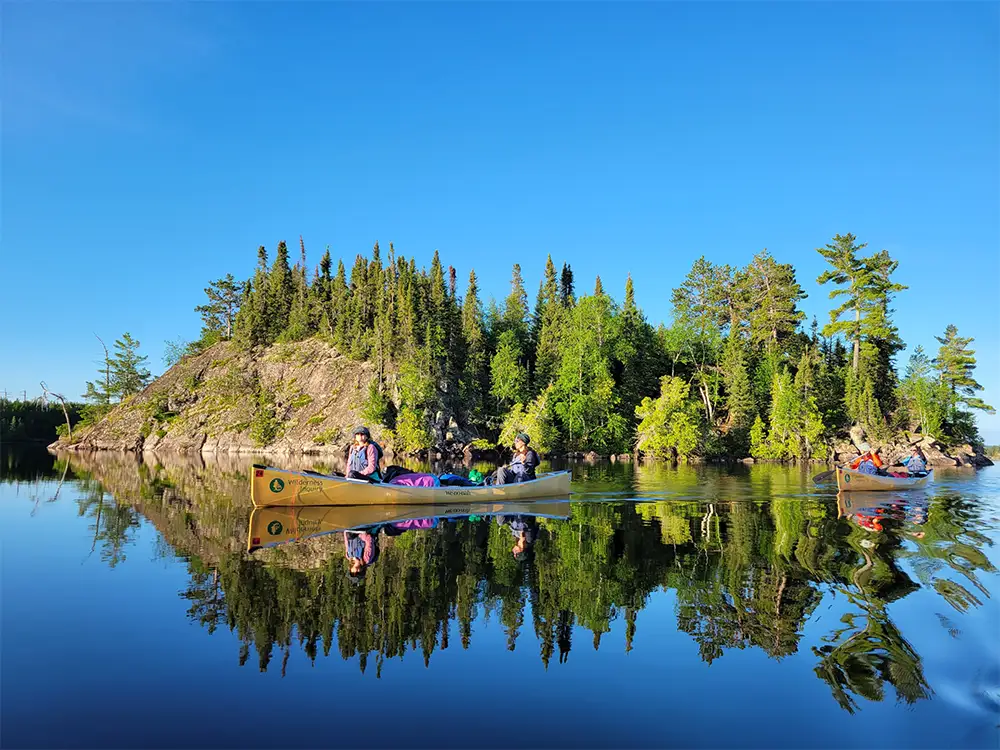
Misty morning at the beginning of the Moose trip.
photo by: Bostic, H
The Moose River is ony 15 miles from Quebec--as the crow flies.
photo by: Bostic, H
Making new friends on the Moose.
photo by: Burden, N
Kristen takes a ride through Camel Rips.
photo by: Burden, N
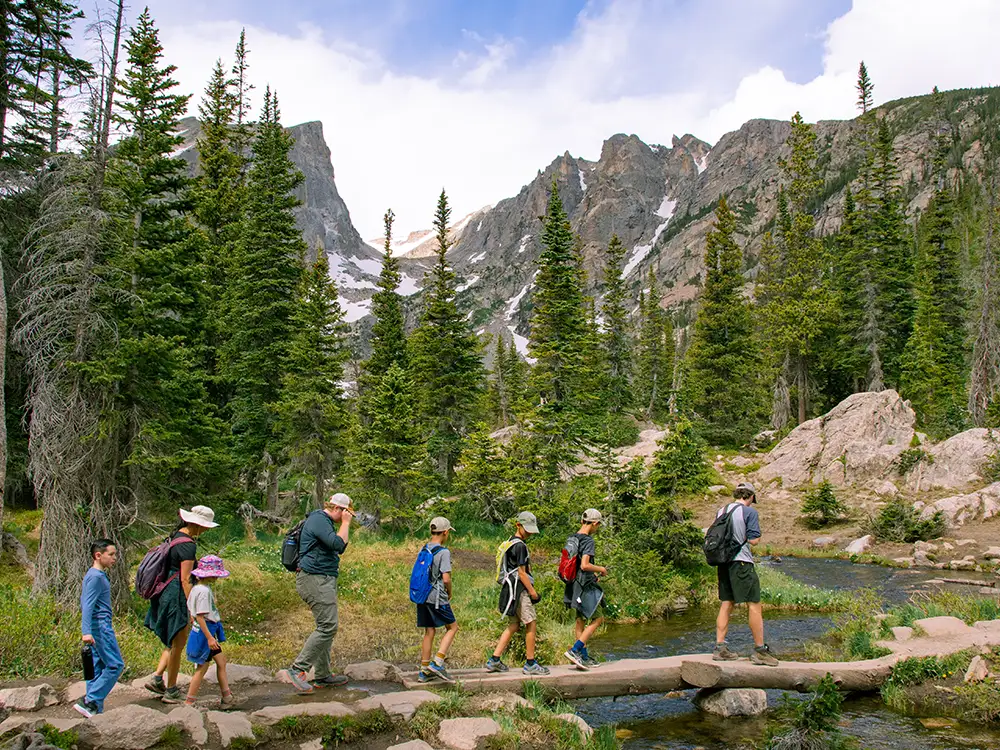
Jay enjoys a morning stroll over the boulders.
photo by: Burden, N
Sarah greets the day at Holeb Falls--do any of you recognize where we used this photo before?
photo by: Burden, N
Running the Rips.
Running the Rips.
photo by: Burden, N
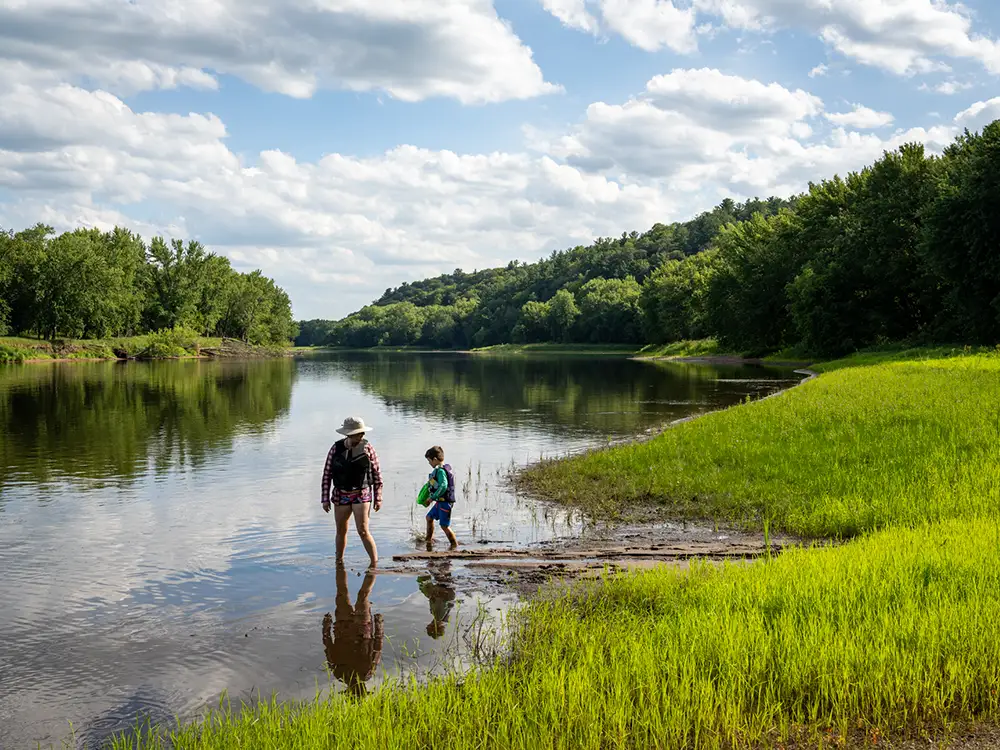
Soaking the feet in Attean Pond.
photo by: Neal, H


photo by: Neal, H


photo by: Neal, H
Greg on the pond,
Greg on the pond,
photo by: unknown
First camp on the Moose.
photo by: Lais, G


photo by: Lais, G
Shooting the Rips is a highlight of every trip on the Moose.
photo by: Lais, G
Judd rips on his own.
photo by: Lais, G
Whitewater smiles.  Keith brought his three adult sons on the trip.
Whitewater smiles. Keith brought his three adult sons on the trip.
photo by: Lais, G
Judd and Richard discussing politics on the Moose.
photo by: Lais, G
United we swim!
United we swim!
photo by: Lais, G
At the top of Attean Mountain.
photo by: Lais, G
Attean Pond
Attean Pond
photo by: Lais, G
Greg, Judd and Mac give Brandon a little thrill on the Moose.
photo by: Moseley, R


[ Dates & Fees ]

Maine's Moose River Canoe

Mountains and Waterfalls in the Maine Woods

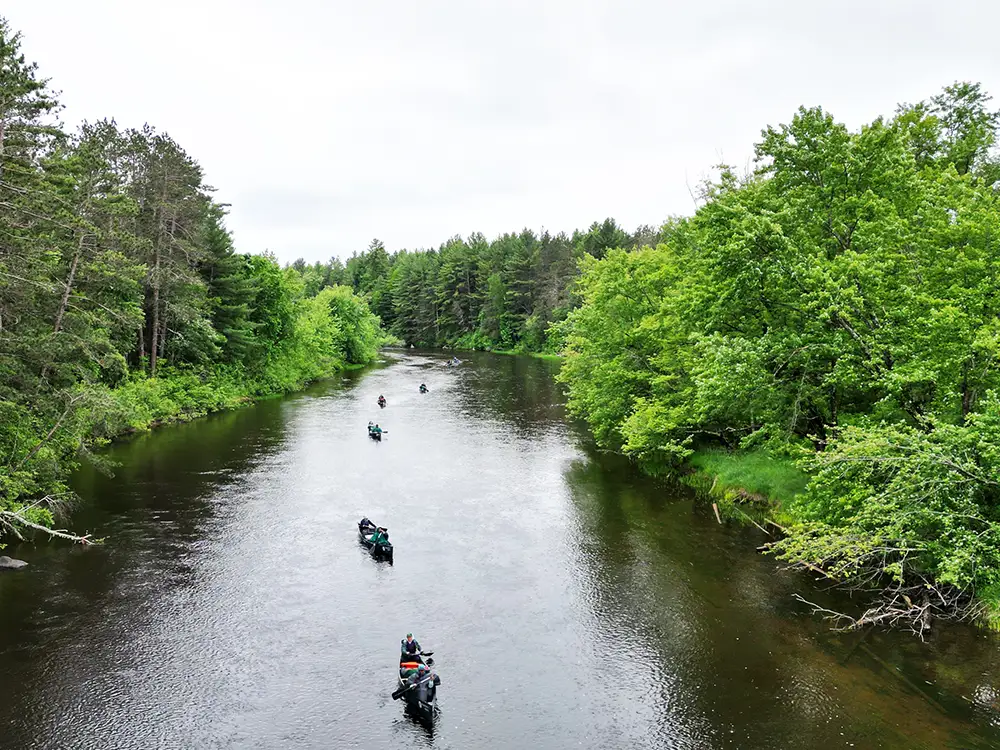
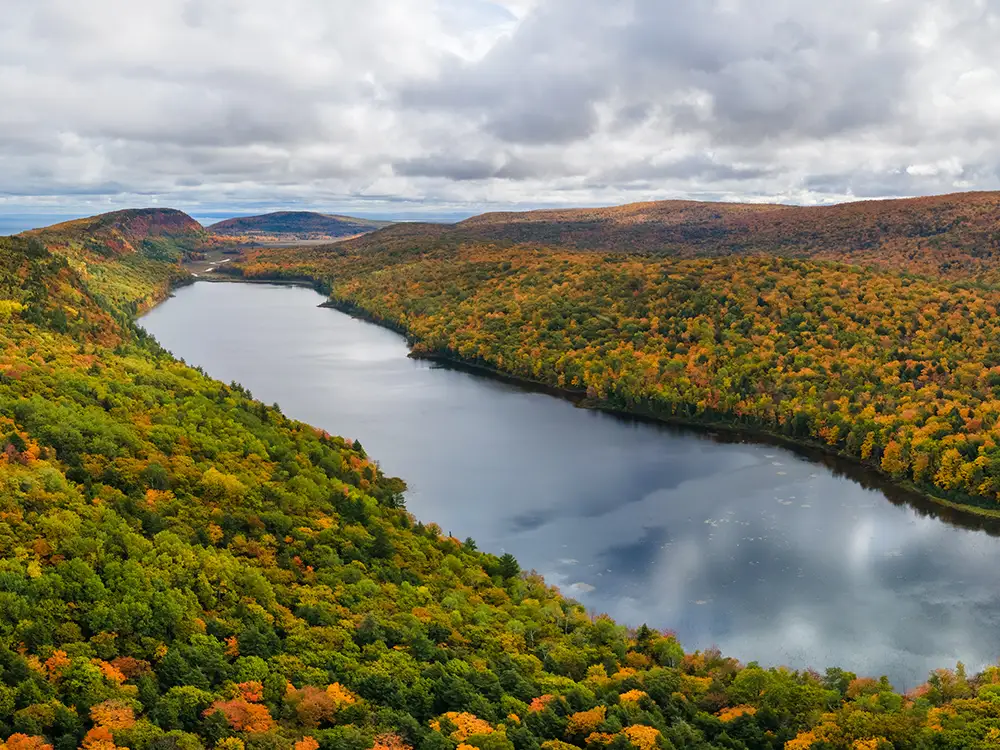
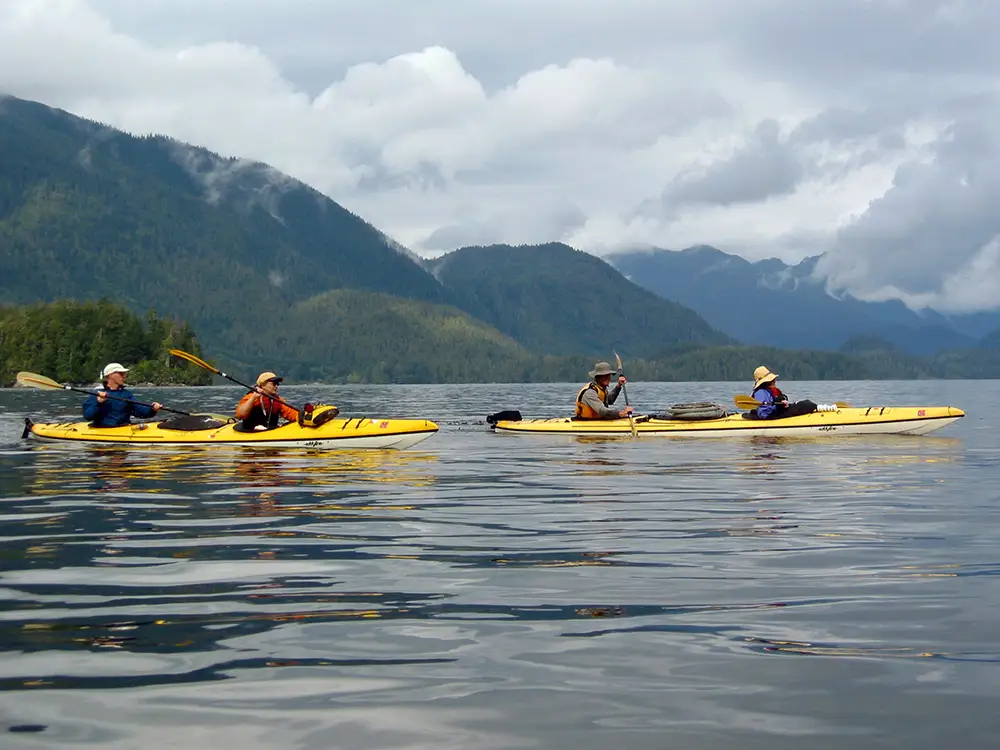
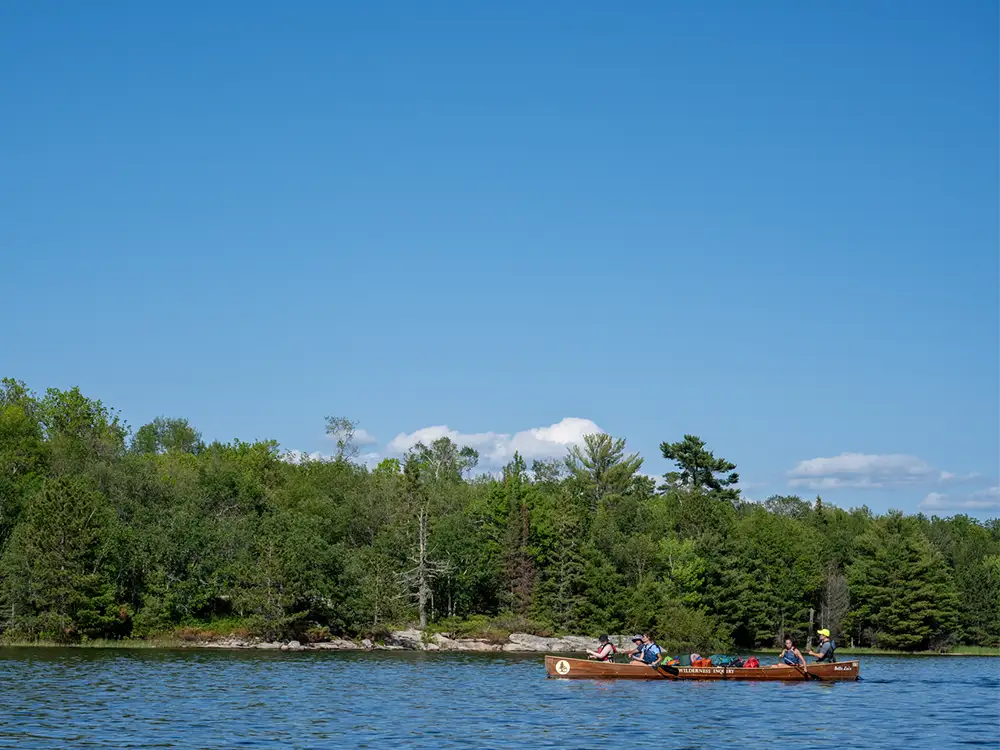
Canoe the pristine Moose River in northern Maine from the shadow of Attean Mountain near the Quebec border. Follow the twists and turns of Holeb Stream through the forests and mountains to the confluence of the Moose River at Camel Rips. Portage Holeb Falls and hike back up to view the cascading water. Paddle through Spencer Rips, a small rapids that can be easily run or portaged. Swim and play in the rapids or hike along the river and explore the woods. Spot the abundant moose, deer, osprey, and other animals in the area. Enjoy a quiet afternoon in camp reading, napping and enjoying the surroundings. Complete the "bow" in the Moose River, crossing the Attean Pond, ending this memorable Maine woods adventure.

Sample Itinerary

Please note: While the itinerary presented is an accurate depiction of what your trip will be like, it is only an example. Our trips are real adventures in the outdoors--not pre-packaged tours that happen on a schedule.

DAY 1: Your trip starts in the early afternoon at Holeb Pond. Spend the first night at this beautiful lake in the Maine Woods. You will participate in a canoe orientation and explore the area.

DAY 2: Get up early, eat breakfast, review canoeing skills and other necessary details for a safe and fun trip. Break camp and paddle across Holeb Pond and begin the journey down Holeb Stream. Follow the winding Holeb Stream to its confluence with the Moose River. Enjoy a short day on the river, setting up camp at Camel Rips. Spend your afternoon relaxing and swimming in the river, or exploring the woods.

DAY 3: From here, continue down the river to Holeb Falls. After portaging around the falls, hike up to a beautiful view of the Holeb Falls. Enjoy the good swimming and fishing in this area.

DAY 4: Continue our journey down the Moose River through Spencer Rips, a small rapids, easy to run or portage around. Camp by Attean Falls, or out on Attean Pond as we complete the bow in the Moose River.

DAY 5: Layover day. You can choose to take a day trip to a nearby lake, hike along the river, swim, or play in the rapids. You may also choose to enjoy a quiet afternoon in camp reading, napping and enjoying your natural surroundings. This is a great day to watch the sunrise, take that perfect picture and look for northern lights.

DAY 6: Get an early start and paddle a few miles across Attean Pond to our take-out point. The trip officially ends after lunch in the early afternoon. Start the drive back to Bangor from here, and expect to arrive back in Bangor that evening.

Travel, Terrain, Etc...

TERRAIN/ROUTE CHOICES: This area lies near the northern Appalachian Mountains. The terrain is characterized by exposed granite with a thin layer of top soil, the result of glaciers scraping and grinding 10,000 years ago. The granite makes for rough terrain; wheelchair users can expect difficulty at times due to obstacles of varying degrees (rocks, mud, logs, etc.). Generally, though, the lakes and rivers make this area accessible with relative ease. The Moose River offers a variety of daily route options from very easy to moderately difficult.

TYPE OF TRAVEL/DISTANCE: You will travel in 17-foot Old Town Tripper canoes, which hold two to three paddlers, plus all necessary gear. An average day's travel consists of 3-4 hours of paddling, depending on the weather, and, except for scheduled layover days, most days' travel distance varies from 8-14 miles per day. Expect 2-3 portages (short trail crossings) on this trip. Portaging can be challenging, but it also offers a chance to get out of the canoes and enjoy the woods. To protect the environment, WI uses Leave No Trace camping techniques.

WEATHER: Temperatures in the summer months range from 45 F to 95 F. Rainfall can vary, but you should expect at least one day of wet weather.

LODGING/BATHROOM FACILITIES: This is a camping trip. At night you will sleep in a comfortable Eureka Timberline tent. Typically, there are 3 people per 4 person tent (although other arrangements can be made). We recommend that you bring your own personal sleeping bag and "camprest" foam core inflatable mattress (a limited number of sleeping bags and mattresses are available as loaners for individuals who need them). Bathroom facilities consist of a foldable commode chair set up in a privacy tent. We make every effort to ensure privacy and cleanliness.

GROUP SIZE: The group size ranges from 10 to 12 participants, plus 2 or more Wilderness Inquiry staff. Each group consists of people of various ages, backgrounds and abilities, including people with disabilities.

CAMP CHORES: Our trips are cooperative in nature. WI staff will assist you in whatever areas you need, however most people pitch in where they can. Part of the adventure involves learning about daily camp activities.

EQUIPMENT AND CLOTHING: If you are new to outdoor activities, you need not spend a lot of money on gear. Wilderness Inquiry will provide all necessary canoeing and camping equipment. All you need to provide is your personal gear, such as clothing and a sleeping bag. A detailed equipment list will be sent to you upon confirmation of your participation. If you need to borrow personal gear, that can usually be arranged.

LEVEL OF DIFFICULTY: No previous experience is needed to complete this trip.

Wilderness Inquiry is proud to serve Caribou Coffee on all our trips. Great food, great coffee, and great company are just some of the ingredients that make Wilderness Inquiry trips special.

[ Dates & Fees ]      


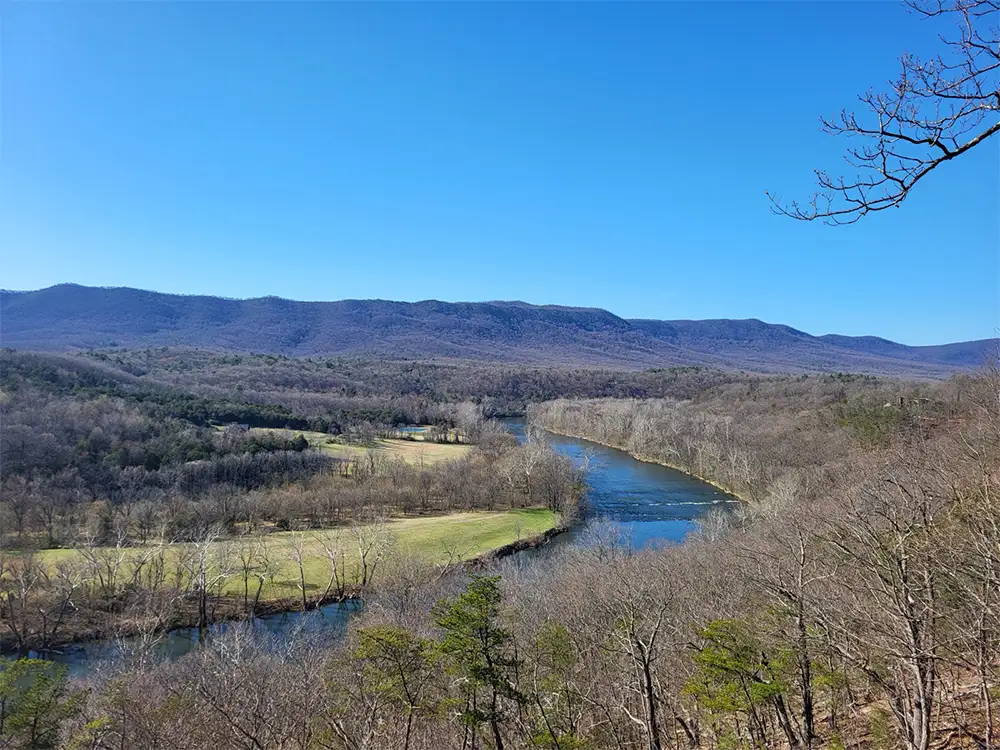
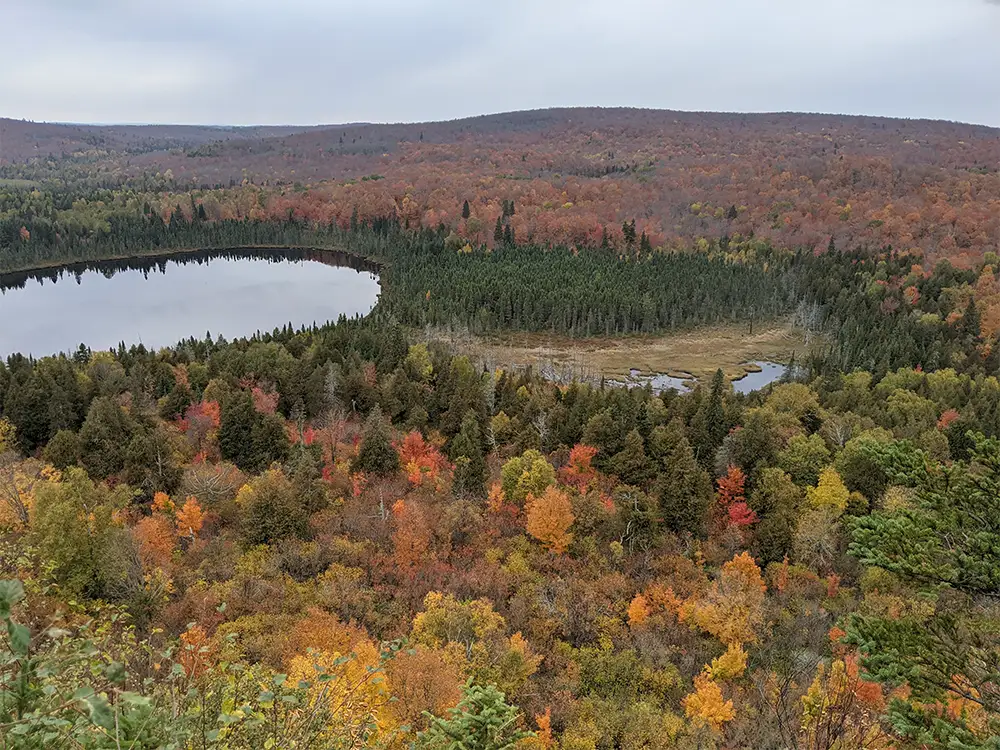
This is an area of breathtaking beauty and centuries of stories. Sparkling pure lakes, tumbling streams, sweeping mountains and the vast north woods provide the backdrop for excellent wilderness travel.

The area's scenic value derives from the relative lack of development. The mountains support a healthy, diverse cover of many coniferous and deciduous tree species. The shoreline area has seen very little human alteration. Rustic cabins, on several of the islands and a few stretches of the river, represent the only visible signs of residential development. These simple wooden structures blend into the natural setting. The most prominent landscape features are the surrounding hills, mountains, and shoreline.

VEGETATION AND WILDLIFE

Maine's northernmost region is made up of boreal forest, consisting primarily of balsam fir, white spruce, and paper birch. Most of the southern half of the state is northern hardwood forest, composed of maple, beech aspen, ash, and white and red pine. Maine's state tree, the white pine, has the largest cones of all the New England pines, with needles that grow in bunches of five. In the 1700's, the British Royal Navy valued the white pine's straight, tall trunk for making ship's masts. This partially explains why there are so few left.

Lying between the boreal and northern hardwood forests is an ecotone or transition zone. The ecotone was important to early hunters since caribou and other herd animals would cross back and forth depending on plant availability, the rise and fall of insect pests, and the need for protection from severe weather. Hunting camps were positioned strategically to intercept herds during these seasonal migrations.

Early hunters had a larger array of animals to choose from than today. As Pleistocene mammals disappeared from the area, the fauna began to resemble what it is today. In these forests are smaller mammals, such as rabbits, foxes, fishers, and squirrels. There are magnificent hoofed beasts like moose, elk, and deer. Several large predators roam these woods as well: lynx, wolves, and mountain lions.

HISTORY

During four recent ice ages the northeast coast was covered by glaciers estimated to have been 1-2 miles thick (a single acre of ice one mile thick weighs almost seven million tons). Made up partly of Precambrian rock, Maine was once a land of volcanoes. Maine's rocky coastline portray evidence of glacial activity. Glacial erratics, granite boulders "dropped" by melting glaciers, stand prominently among columnar basalt cliffs. Maine's ridges and hills are moraines which are large deposits of gravel left behind retreating glaciers. Between the ridges and the hills lakes and bogs formed. Shoreline bogs also formed between the high and low water marks. As time progressed, soil built up, allowing the land to blossom into forests and making Maine the "pine state."

As forest life crept back into the north, nomadic bands of Paleolithic people followed in the tree's wake. They were skilled hunters creating from stone and bones the special spear tips needed to kill their prey. Their descendants, who lived in Maine about seven- thousand years ago, are popularly known as the Red Paint People because of the red ochre they liberally used in religious rites. They settled along the ocean shore and hunted sea mammals and swordfish. After them came other hunter gathers who also did some primitive farming. They eventually became the Abenaki, the "People of the Dawn." The Abenaki comprised several Indian groups, including the tribes that still exist today in northern New England: Passamaquoddy, Maliseet, Micmac, and Penobscot. The Abenaki lived most of the year along rivers in wigwams made of bark. In summer many of the tribes migrated to the coast, where the insects were less prevalent and the warm season lasted longer. At the time of the arrival of Europeans, Native Americans were cultivating small gardens of corn, squash, beans, and melons. Additionally, they were fishing and gathering mussels, clams, and other shellfish.

Throughout the seventeenth and eighteenth centuries, French and English battled for the land. To the European mind, the mere use of a bountiful land was insufficient; complete possession of the land was the only acceptable outcome. Nowhere was the conflict more savage than in Maine. So vicious was this endless warring, that the state's first nickname was not "The Pine Tree State" but "Bloody Maine." By the early 1800's, the coast of Maine was settled from York to Machias and inland to Augusta. Logging operations began to push up the inland rivers to the big forest in the north. Dams were built on almost every river, stream, and lake to control the level and flow of the water. It was water that powered the mills that turned trees into lumber, and water that carried ships laden with boards far from Maine.


For more information, visit these links:

Jackman-Moose River Region Chamber of Commerce

Jackman - Moose River Area

Moose River Bow Trip

[ Dates & Fees ]


WI leads trips to the Moose River but typically only for pre-existing groups (schools, clubs, families, friends who travel together, etc...).

If you have a group of 8 to 12 people interested, we can set up a trip to the Moose just for you! Typical cost for a 6-day trip is about $695 per person, which includes everything except transportation to and from the Bangor area.

Please contact us if you are interested in a group trip to the Moose--it's one of our favorite tripping areas.

info@wildernessinquiry.org
612-676-9400
800-728-0719

(Join our waiting list to be notified when WI schedules a trip to Maine's Moose River Canoe)

Printer Friendly Page
printer friendly
E-Mail A Friend
email a friend
Quick Trip Facts:
  • 6 days, 5 nights
  • 2 Wilderness Inquiry Staff
  • All trail meals and snacks included
  • Eureka Outfitter Tents, group camping & cooking gear
  • Lotus PFD, Old Town Tripper Canoe, paddle
  • Adaptive gear as needed