home   register   about us   programs   get involved   support wi   news   contact us 
General Trip Info

Weaver Bottoms Mississippi Backwater Canoe

Paddle the Upland Bayous from Lake Pepin to Winona

Click any thumbnail for larger image:


photo by: McIntosh, Clif

Washing dishes on the 'Dunes
photo by: McIntosh, Clif


photo by: McIntosh, Clif


photo by: McIntosh, Clif

Finding the Shade
photo by: McIntosh, Clif


photo by: McIntosh, Clif

Nate and Jonny
photo by: McIntosh, Clif

Lindsey hams it up.
photo by: McIntosh, Clif


[ Dates & Fees ]

Weaver Bottoms Mississippi Backwater Canoe

Paddle the Upland Bayous from Lake Pepin to Winona

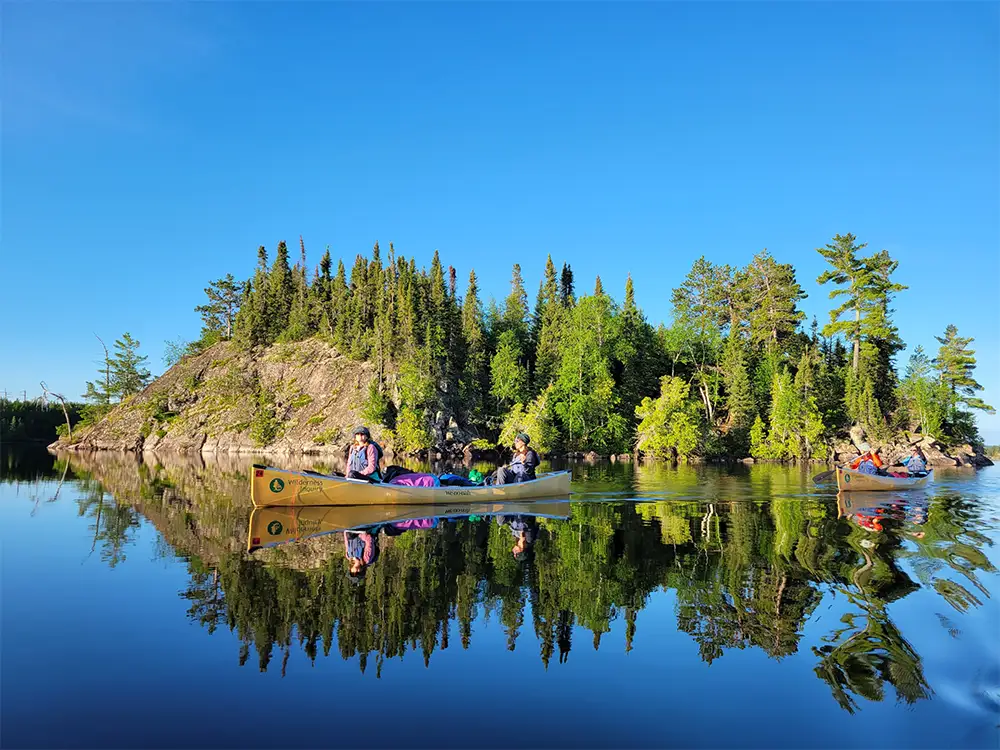
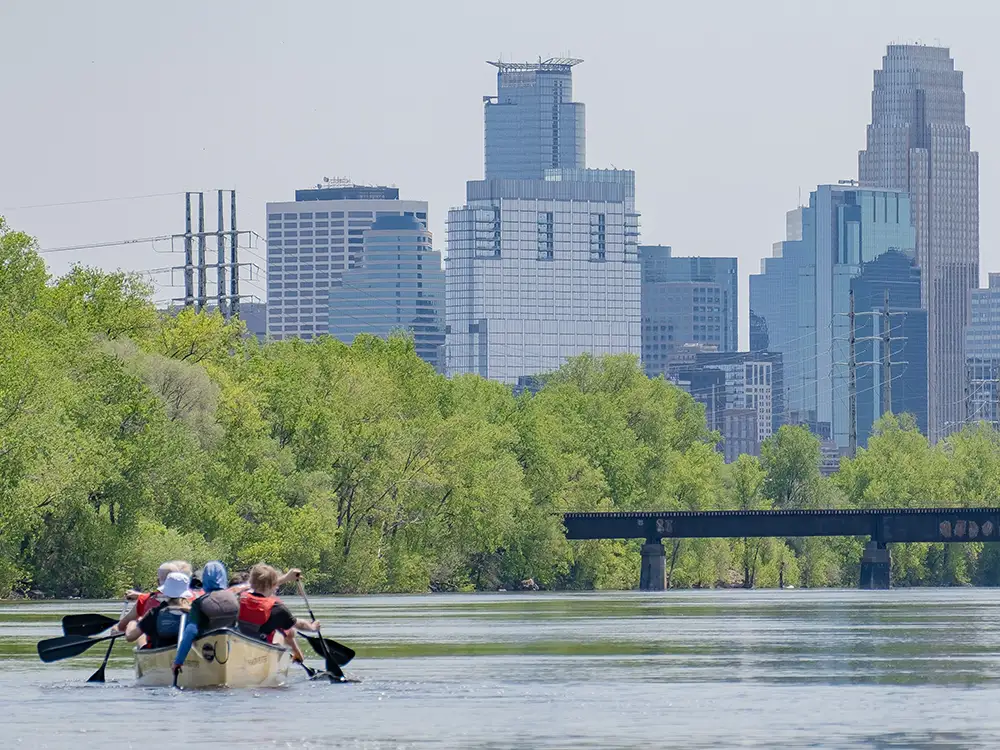
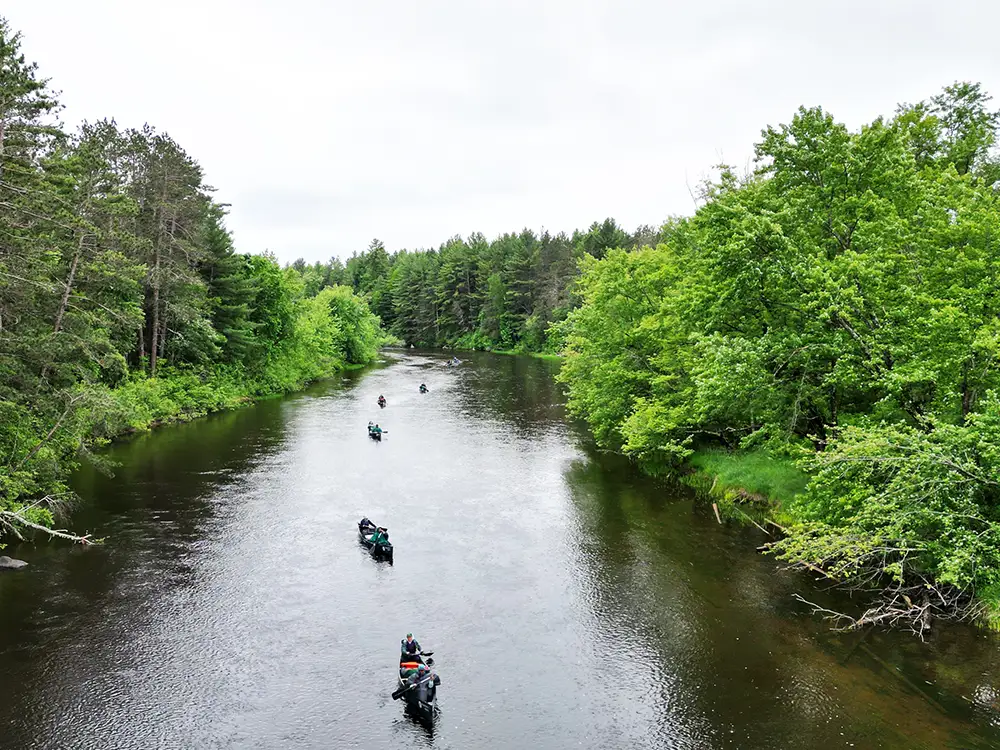
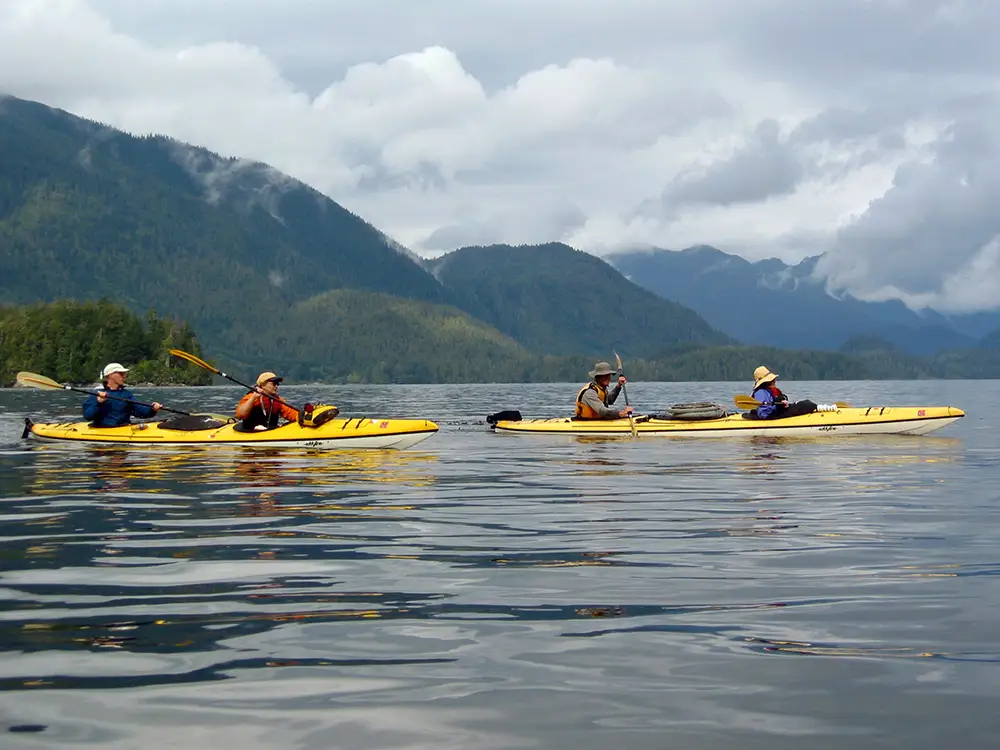
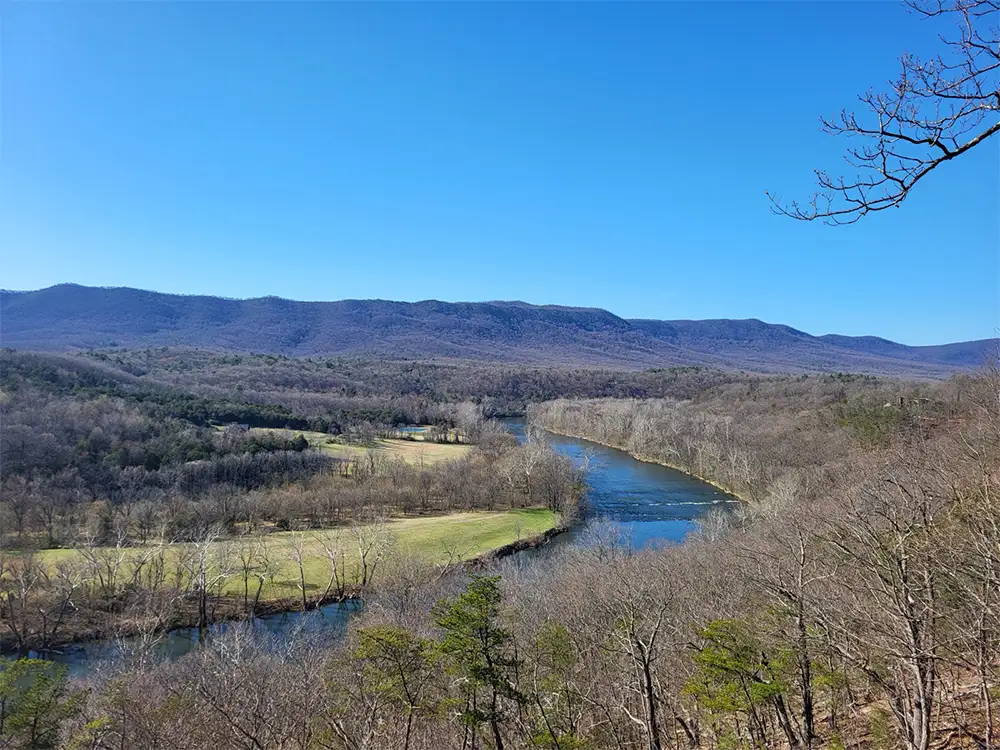
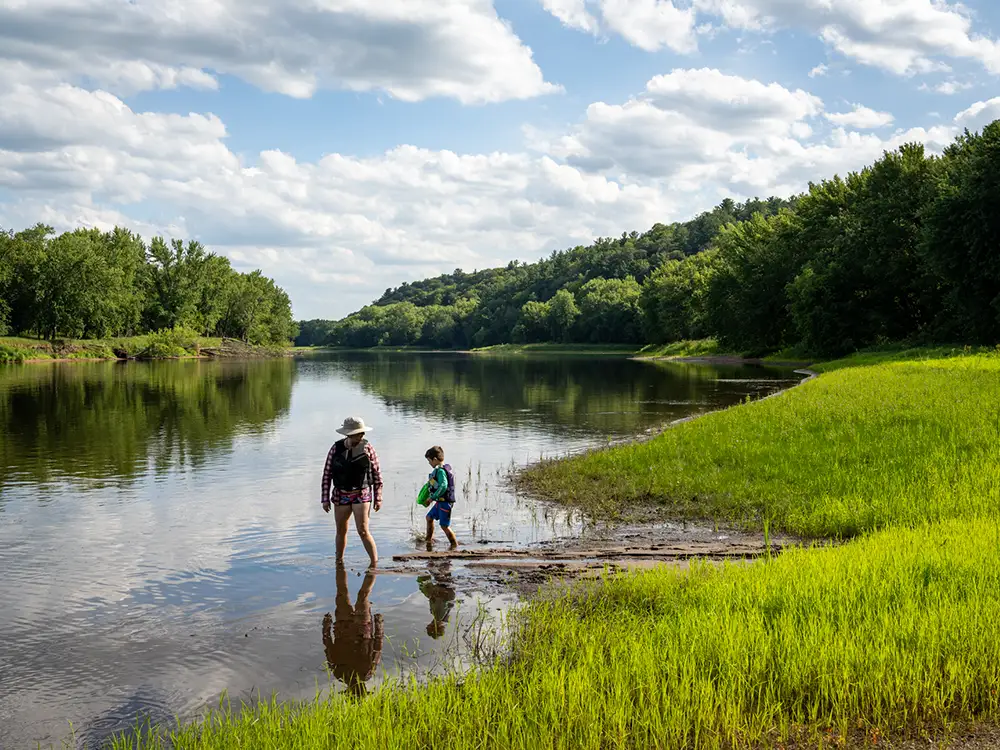
High Bluffs and pristine backwaters are awaiting you along the mighty Mississippi River. Explore the same routes that Father Hennepin and French Traders paddled on the first voyages up the Mississippi. Paddle through fields of lilly-pads and marsh grass and see flocks of ducks and blue herons fly. This area known as the Weaver Bottoms and Weaver Dunes which is the home of many different species of wildlife. It is a paradise for waterfowl and fish and the shallow backwaters are filled with arrowhead and other aquatic plants. During late summer and fall watch as thousands of Tundra Swans visit the area on their migration south. Camp on the legendary sandbanks and cool off in the river, then come close and enjoy a campfire every night.

Sample Itinerary

Please note: While the itinerary presented is an accurate depiction of what your trip will be like, it is only an example. Our trips are real adventures in the outdoors--not pre-packaged tours that happen on a schedule.

Weaver Bottoms Mississippi River 5-Day Adventure
America's Premier Backwaters Trip
SAMPLE ITINERARY

DAY 1: Your trip starts in the afternoon at the starting point of Indian Slough and Truedale Lake just south of the Chippewa River. Unload the trailer, load the canoes and explore the backwaters until you arrive at the first campsite across the river from Teepeeota Point. Discuss trip expectations as a group around the campfire after dinner.

DAY 2: Get up early to make breakfast, review canoeing skills and other details necessary for a safe and fun trip. Break camp after breakfast and get underway. Paddle along the Upper Mississippi River Wild Life and Fish Refuge and “Lock Out” of the Mississippi River Lock and Dam #4. Camp in the backwaters just south of the dam across the river from the city of Alma, Wisconsin.

DAY 3: After breakfast, head into the main channel till arriving at the West Newton Chute and traveling down into Halfmoon Lake. From there the lake opens up into Weaver Bottoms and as we skirt along the Northeastern side we will search for a camping spot near the town of Minneiska. As the group learns to work together, more time is set aside for fishing, bird watching, exploring and learning camp crafts.

DAY 4: Get up early and after breakfast and travel some big water as Lock and Dam #5 come into view. Paddle through Keisilhorse Bay and make your way through the backwaters to Merrick State Park for the last night on the river.

DAY 5: Eat a leisurely breakfast and explore the backwaters around Merrick State Park or the sand banks along the main channel. Pack up the van for the ride home. The trip officially ends after lunch in the early afternoon. Those who use WI's van transportation can expect to return to Minneapolis in the evening.

Travel, Terrain, Etc...

TERRAIN/ROUTE CHOICES: The sandy areas upstream from Weaver Bottoms called Weaver Dunes, which consist of dunes, wetlands and farm fields. The Route starts in the lower part of the delta of the Chippewa River, a maze of backwaters, and ends in the backwaters of Lock and Dam #5. Your trail leaders will determine the route you will take, based on wilderness conditions and your group's interests.

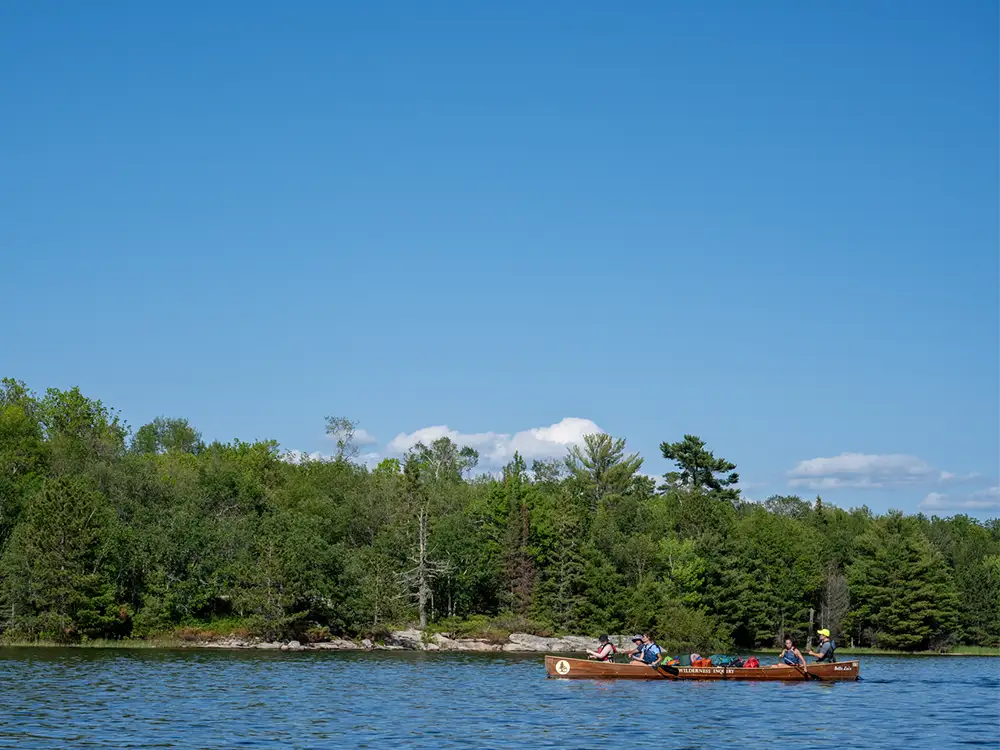
TYPE OF TRAVEL/DISTANCE: You will travel in 24-foot cedar strip canoes, which hold 6-8 paddlers, plus all necessary gear. They are fast and stable boats. The average day's travel consists of 3-6 hours of paddling, depending on weather conditions. Travel distances vary from 4-10 miles per day with the exception of days spent exploring around the backwaters. To protect the environment, WI uses "minimum impact" camping techniques.

WEATHER: Temperatures in the summer months range from 60 F to 95 F. Rainfall can vary, but you should expect at least a day or two of rain.

LODGING/BATHROOM FACILITIES: This is a camping trip. At night you will sleep in a comfortable Eureka Timberline tent. Typically, there are 3 people per 4-person tent (although other arrangements can be made). We recommend that you bring your own personal sleeping bag and "camprest" foam core inflatable mattress (a limited number of sleeping bags and mattresses are available as loaners for individuals who need them). Bathroom facilities consist of a foldable commode chair set up over the provided facility, with a privacy tent if necessary. We make every effort to ensure privacy and cleanliness.

GROUP SIZE: The group size for this trip is limited to 15 people, plus 2 Wilderness Inquiry staff. Each group consists of people of various ages, backgrounds and abilities, including people with disabilities.

CAMP CHORES: Our trips are cooperative in nature. WI staff will assist you in whatever areas you need, however most people pitch in where they can. Part of the adventure involves learning about daily camp activities.

EQUIPMENT AND CLOTHING: If you are new to outdoor activities, you need not spend a lot of money on gear. Wilderness Inquiry will provide all necessary canoeing and camping equipment. All you need to provide is your personal gear, such as clothing and a sleeping bag. A detailed equipment list will be sent to you upon confirmation of your participation. If you need to borrow personal gear, that can usually be arranged.

LEVEL OF DIFFICULTY: No previous experience is needed to complete this trip.

Wilderness Inquiry is proud to serve Caribou Coffee on all our trips. Great food, great coffee, and great company are just some of the ingredients that make Wilderness Inquiry trips special.

[ Dates & Fees ]      


About the Area

The Mississippi River Valley and Weaver Bottoms were formed when the large glacial Lake Agassiz began flowing southward, near the intersection of Minnesota and North and South Dakota, through the glacial Warren River about 12,000 years ago. The massive flow of water decreased several thousand years later as the glacier receded and the waters began flowing in other directions. About 9,500 years ago sand, which was deposited at the Chippewa River delta where it joined the Mississippi River, acted as a damn and Lake Pepin was formed.

In the late 1600s the lands around the lake were under the control of the Dakota Sioux, but the Chippewa at the lower end of the lake disputed their ownership. The Indian name for the river was "Mech-e-sebe" which meant “Great River." The first white explorer to see this area was Father Louis Hennepen, who canoed through 1680.

Father Hennepen reached the source of the Mississippi River in 1682 and at that time claimed all of the Mississippi Valley in the name of France. The area included all of the land that became known as the Louisiana Territory. The first English explorer in this area was Jonathan Carver, who arrived in 1766. He was the first white to canoe down the Chippewa River.

Most commerce that came from the area was fur trading. Then around the late eighteen thirties White Pine forests in Northern Minnesota and Wisconsin began to be harvested.The logs were floated down the St. Croix and Chippewa Rivers, formed into rafts, some containing as much as ten million board feet of lumber, and pushed by steamboats down the Mississippi River. By the early nineteen hundreds much of the timber had been harvested and the last raft to leave our area was in 1915. Another major industry along the lake began in the late eighteen hundreds when the harvesting of fresh water mussels and clams for buttons and pearls began.

Visitors to the Bottoms will leave with fond memories. The beauty of the landscape is enough for some but the quiet backwaters waterfowl and fishing will be the ticket for everyone else. Early risers will not forget the sunrises that will cut across the valley mists in the morning that are a thrill late 20th century explorer just as it did the first explorers of the 17th century.


For more information, visit these links:

St. Paul Division-Army Corps of Engineer's

Wisconsin Department of Natural Resources

Minnesota Department of Natural Resources

Big River Preview

Save the Turtles!

[ Dates & Fees ]


WI leads trips to this destination but currently has no dates scheduled. If you have a group of people interested, we can set up a customized adventure just for you! Please contact us if you are interested in a group trip to this destination.

info@wildernessinquiry.org
612-676-9400
800-728-0719

(Join our waiting list to be notified when WI schedules a trip to Weaver Bottoms Mississippi Backwater Canoe)

Printer Friendly Page
printer friendly
Quick Trip Facts:
  • 5 days, 4 nights
  • 2 Wilderness Inquiry Staff
  • All trail meals and snacks included
  • Eureka Outfitter Tents, group camping & cooking gear
  • Lotus PFD, 24-foot cedar-strip Voyageur or Old Town Tripper Canoes, Carlisle paddle
  • Adaptive gear as needed


Washing dishes on the 'Dunes