|
|
|
|
Florida Everglades 10,000 Islands
SW Florida's Paradise of Uninhabited "Keys"
Click any thumbnail for larger image:

Florida's 10,000 Islands is part of the largest expanse of mangroves in North America.
photo by: Brandenburg, J
|

Courtney navigates her way through the tangled mangroves, which are vital to the Everglade's ecosystem.
photo by: Lais, G
|

An egret takes flight in the 10,000 Islands National Wildlife Refuge of the Everglades, where 189 species of birds make their home at some time during the year.
photo by: Brandenburg, J
|

Tom and Ned emerge from a channel in the mangroves near Panther Key.
photo by: Lais, G
|

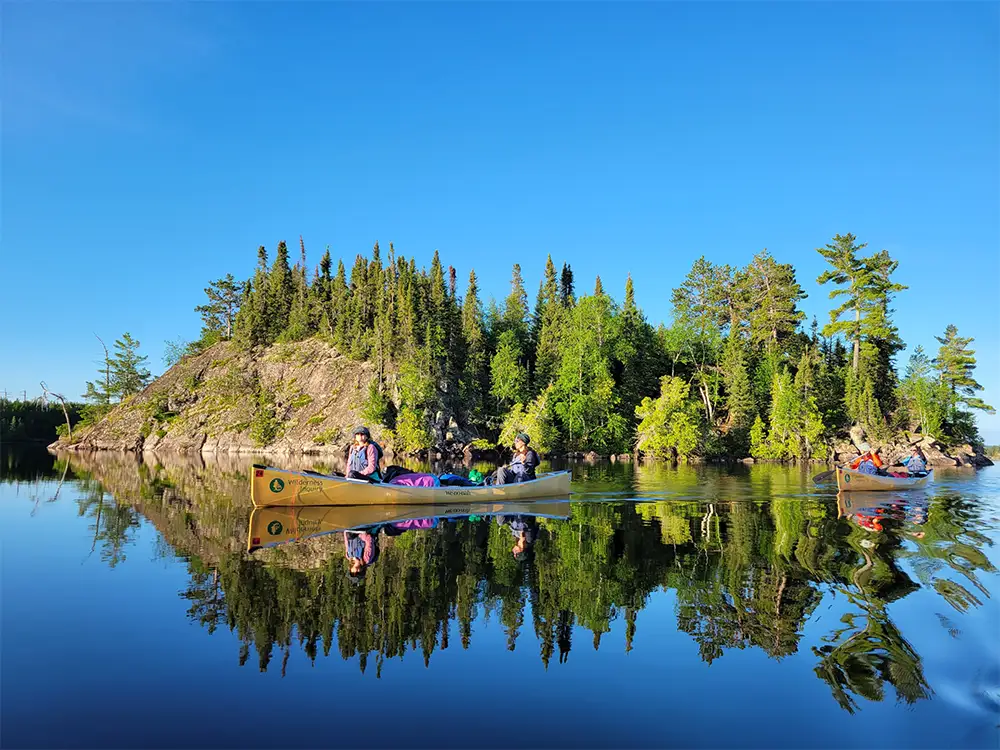
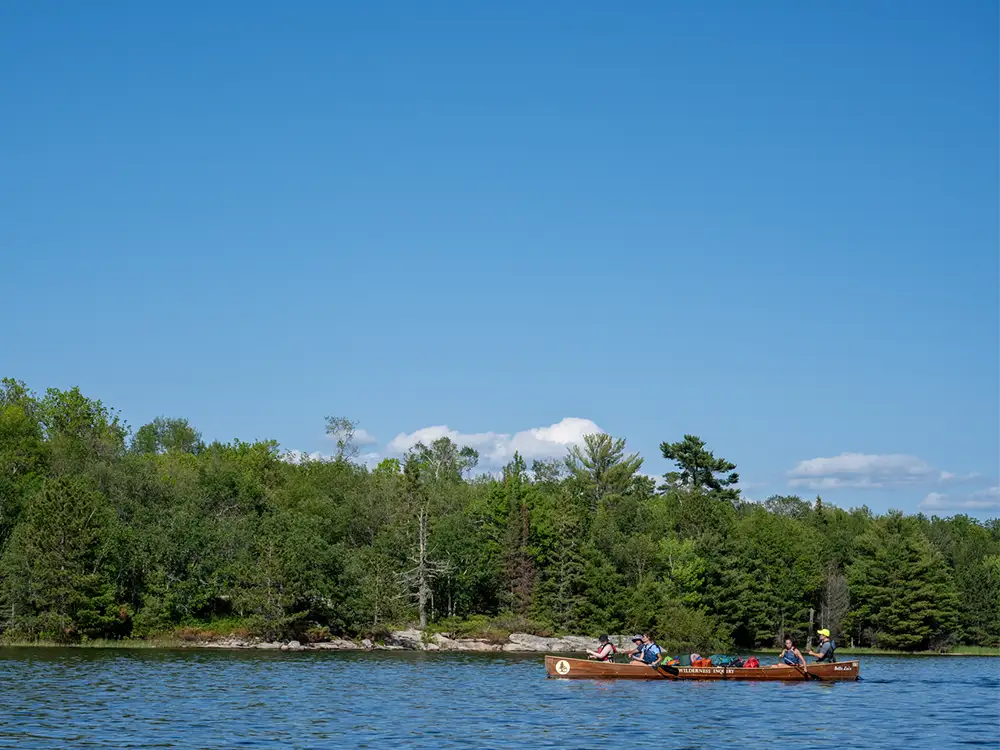
Canoeing is one of the best ways to see this unique ecosystem in the Gulf of Mexico.
photo by: Lais, G
|

Campfires on the beach in the Florida Everglades are a favorite on this trip.
photo by: Noltner, J
|

Sunset over the Gulf of Mexico
photo by: Clymer, C
|

Trip leader Robb Rossi with a horseshoe crab. As the tide recedes, all sorts of marine life can be found in the tidal pools.
photo by: Lais, G
|

Lucy, Ned, and Courtney paddle their way to the campsite at Buttonwood Bay.
photo by: Lais, G
|

There's plenty of time to relax and enjoy the beautiful weather at camp on Whitehorse Key in Florida's 10,000 Islands.
photo by: Lais, G
|

Pelicans populate the Florida Everglades and can be seen diving into the water to catch fish.
photo by: Clymer, C
|

Camp on the sandy beaches of Whitehorse Key
photo by: Lais, G
|

After setting up camp, Robb takes the kids for a swim off Whitehorse Key.
photo by: Lais, G
|

Abby proudly displays her sea trout. The 10,000 Islands National Wildlife Refuge is renowned for its outstanding fishing.
photo by: Lais, G
|

Cooking on the beach
photo by: Tsong, R
|

Rafting up to take a lunch break on our way to Gullivan Bay
photo by: Vandehaar, B
|

Paddling into the sunset on the Gulf of Mexico on our way to Dismal Bay.
photo by: Vandehaar, B
|

Mangrove silhouetted by the sunset
photo by: Smith, RH
|

Attempting to fly a kite is a favorite past time on the beaches of Florida's 10,000 Islands.
photo by: Smith, RH
|

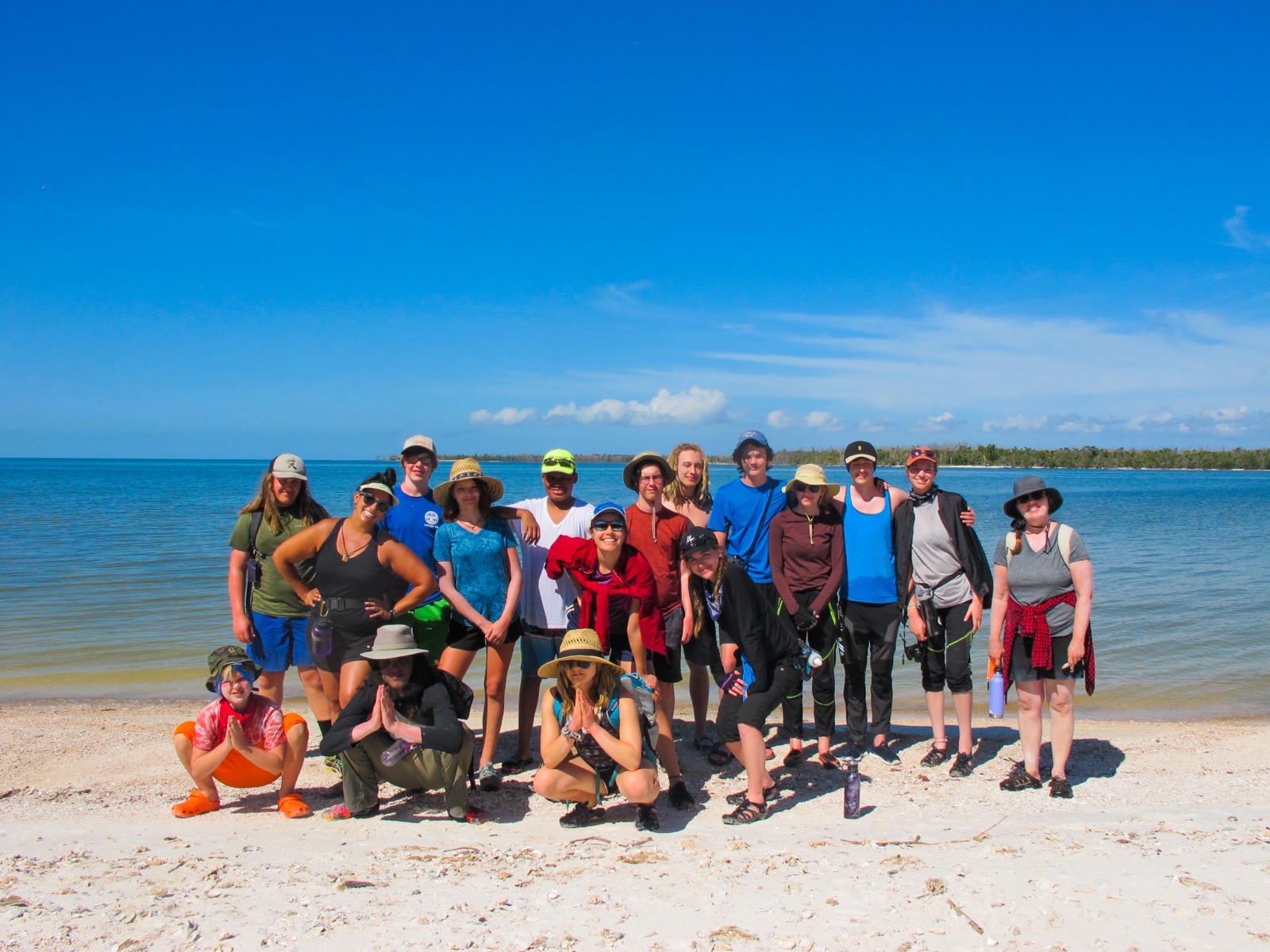
Tom, Abby, and Lucy had a great family trip!
photo by: Lais, G
|

Abby, Robb, Lucy, Melanie, Danny, and Lucy search the tide pools for nocturnal creatures.
photo by: Lais, G
|

Shell and sand in the tidal flats off Gullivan Key just south of Marco Island in the 10,000 Islands area of the Everglades.
photo by: Smith, RH
|

Dolphins are frequently spotted on this trip to the Florida Keys.
photo by: Lais, G
|

A starfish makes a break for the water as the tide recedes on Whitehorse Key.
photo by: Smith, RH
|

Picturesque sunsets and abundant wildlife sightings make for a memorable trip.
photo by: Kirschbaum, A
|

Bruce gets up early to make the morning coffee on the beach, taking advantage of centrifugal force.
photo by: Clymer, C
|

Mary and Fran discover a giant loggerhead sea turtle shell on Whitehorse Key.
photo by: Vandehaar, B
|

10,000 Islands National Wildlife Refuge is a prime spot for birding.
photo by: Clymer, C
|

An osprey nests near Blackwater River. Osprey are one of the largest predators in the aquatic food chain, reaching up to two feet in length with wingspans up to five feet long.
photo by: Lais, G
|

Canoeing though the Hog Key channel in the Everglades 10,000 Island area.
photo by: Mizuno, C
|

The bird life in the 10,000 Islands area of the Everglades is phenomenal
photo by: Lais, G
|

Camp on Gullivan Key in the Ten Thousand Islands.
photo by: Blishak, P
|

Group at Pumpkin Key in Florida's 10,000 Island area of the Everglades.
photo by: Hawkins, D
|

Solitude in the 10,000 Islands is appreciated by everyone
photo by: Smith, RH
|

Canoes paddling across the Gulf of Mexico.
photo by: Smith, RH
|

Contemplating the meaning of life while enjoying a 10,000 Islands sunset over the Gulf of Mexico.
photo by: Smith, RH
|

Osprey in its nest on top of some big mangroves.
photo by: Lais, G
|

Pelican encounter in the Florida Everglades
photo by: Brandenburg, J
|
[ Dates & Fees ]
|
|
Florida Everglades 10,000 Islands
SW Florida's Paradise of Uninhabited "Keys"
Canoe through Florida's freshwater and brackish estuaries to the pristine white sand beaches of the Keys. You'll paddle through a maze of islands and mangrove estuaries, looking for dolphins, manatees and pelicans. Spy white ibis, osprey, and possibly a roseate spoonbill in this paradise where air plants and exotic flowers flourish. Visit a wildlife preserve, entering a sub tropic world of endangered birds and alligators. Join us on this trip to Florida's paradise of uninhabited Keys!
Sample Itinerary
DAY 1: The trip starts in the morning at the Shark Valley Nature Preserve. Take a National Park tour through a wildlife preserve, where you'll see endangered birds and alligators and learn about the freshwater saw-grass ecosystem. After the nature tour, drive to Collier Seminole State Park, review personal gear and repack into dry bags. Set up camp and review canoeing skills. Enjoy your evening with the group around a campfire.
DAY 2: Launch the canoes on the Blackwater River and travel about 12 miles out into Gullivan Bay in the Gulf of Mexico. Look for dolphins, manatees and pelicans on the way out to Whitehorse Key. Set up camp on the sandy beaches of this sub tropic wilderness. This can be a long day, but the results are well worth it! One benefit of being here is that mosquitoes cannot breed in salt water. They will be around, but in far fewer numbers than in the freshwater ecosystem.
DAY 3: Base camp and day trip further into the mangroves. Travel up Fish Hawk Creek to Gator Bay and into beautiful Buttonwood Bay. Here you will see White Ibis, Osprey, and possibly a Roseate Spoonbill.
DAY 4: Spend a layover day relaxing, swimming, gathering shells or exploring tidal pools. If you wish, paddle through slow moving mangrove-lined canals and ponds rich with wildlife.
DAY 5: Paddle past Four Brothers Key to Dismal Key, exploring the canals and ponds.
DAY 6: Paddle back through Gullivan Bay to the mouth of the Blackwater River. Arrive back at Collier Seminole State Park in the late afternoon. Those who use WI's van transportation can expect to return to Fort Myers that evening.
Travel, Terrain, Etc...
TERRAIN/ROUTE CHOICES: The 10,000 Islands offers a wide range of daily route options. Traveling will consist of paddling among the low-lying islands, bays, beaches, canals and lakes in the Gulf of Mexico.
TYPE OF TRAVEL/DISTANCE: You will travel in 17-foot Old Town Tripper canoes, which hold two to three paddlers, plus all necessary gear. An average day's travel will consist of 4-6 hours of paddling, depending on the tides and weather. Travel distances will vary from 4-12 miles per day with the exception of scheduled layover days. No previous experience is needed to complete this trip. To protect the environment, we use Leave No Trace camping techniques.
WEATHER: Temperatures between January and March can range from 35 F at night to 90 F during the day. Rainfall can vary, but you should expect at least a day of rain.
YOUR GROUP: The group size ranges from 10 to 12 participants, plus two or more Wilderness Inquiry staff. Each group consists of people of various ages, backgrounds and abilities, including people with disabilities. Our trips are cooperative in nature. WI staff will assist you in whatever areas you need, however most people pitch in where they can. Part of the adventure involves learning about daily camp activities.
ACCOMMODATIONS: We will set up a base camp out on one of the keys. At night you will sleep in a comfortable Eureka Timberline tent. Typically, there are 3 people per 4-person tent (although other arrangements can be made). We recommend that you bring your own personal sleeping bag and sleeping pad. Bathroom facilities consist of a foldable commode chair set up in a privacy tent. We make every effort to ensure privacy and cleanliness.
MEALS: The food we bring is plentiful, nutritious, and primarily vegetarian (because this keeps better than meat). You can expect meals like burritos, pesto pasta, and vegetable stir-fry for dinner; bagels and sandwiches for lunch; pancakes, french toast, oatmeal, and granola for breakfast. If you have special dietary restrictions or preferences, be sure to list them on your registration.
EQUIPMENT AND CLOTHING: If you are new to outdoor activities, you need not spend a lot of money on gear. Wilderness Inquiry will provide all necessary canoeing and camping equipment. All you need to provide is your personal gear, such as clothing and a sleeping bag and ground pad. If you use a wheelchair it's best to bring wide tires. A detailed equipment list will be sent to you upon confirmation of your participation. If you need to borrow personal gear, that can usually be arranged.
FISHING: Fishing is good in the 10,000 Islands, but you must get a valid Florida saltwater license. A 7-day non-resident license is $30. To get a license, call 1-888-347-4356, or go on-line to: http://myfwc.com You can buy one instantly with a credit card. You may want to get a permit for Snook ($2) or Spiny Lobster ($2).
A note about the itinerary: Our trips are real adventures in the outdoors. While we'll make every effort to follow the itinerary listed here, elements may change due to weather or reasons beyond our control.
[ Dates & Fees ]

Everglades National Park, the largest subtropical wilderness in the United States, boasts many rare and endangered species. As measures of its special nature, the Park has received designations as a World Heritage Site, an International Biosphere Reserve, and a Wetland of International Importance, significant to all people of the world. There are three primary ecosystems in the area, freshwater, transitional or brackish water, and marine or saltwater. You will experience all three on your Wilderness Inquiry trip, although the bulk of the trip takes place in the saltwater ecosystem.
American Indians in the region referred to this vast landscape as “Pa-hay-okee.” meaning “Grassy Water.” The Spanish called the area “El Laguno del Espiritu Santo,” or “The Lagoon of the Holy Spirit.” Following the exploration of the area by Europeans, the name appeared in several forms including: “Ever Glades,” “ever glades” and “River Glades.” It wasn’t until the 1823 Turner Maps that the name appeared as Everglades. This is the freshwater ecosystem.
Today, the name “Everglades” commonly refers to both the national park and the ecosystem that contains the park. The broader ecosystem covers over 7 million acres, from the southern lip of Lake Okeechobee to the Gulf of Mexico. Everglades National Park covers over 1.5 million acres in the southern portion of the ecosystem. Congress designated nearly 1.3 million acres of the National Park as the Marjory Stoneman Douglas Wilderness after the noted conservationist who worked for decades to protect the Everglades and its wilderness, the largest wilderness in the United States east of the Rockies.
Southern Florida is relatively young when compared to most of earth’s landmasses. Once an ancient seabed, the underlying rock consists predominantly of limestone. Its deepest and oldest deposits, Tamiami limestone, are only around six million years old. They formed as silt and calcium sifted downward to form layers of muck at the bottom of the placid sea. Time and pressure eventually changed the layers of muck into the limestone bedrock underlying the northwest corner of the park. The park also contains another type of limestone that is especially important because of its sponge-like nature. In the course of the wet season it absorbs tremendous amounts of water, which it slowly releases during the dry season, to the benefit of the flora and fauna of the area.
The natural environment of the Everglades revolves around the yearly spill from Lake Okeechobee. Over thousands of years, the complex ecosystem in the Everglades developed in response to the regular cycle of flooding rains that gather in Okeechobee, and then flow south in a placid river over 50 miles wide and 100 miles long. Water from the lake takes about a year to reach southern Florida, during which time it nourishes a variety of plant and animal life on its southward journey.
Don’t be fooled by the river’s placid nature, though, for this land contains indescribable wonder. Scaly alligators share the marshes with flamingos, roseate spoonbills, egrets and herons, pelicans, cranes, hawks, ibis, storks, frigate birds, kites, skimmers, and hundreds of other colorful birds.
The shallow waters of Florida Bay constitute about one-third of the park. Most of the bay’s tiny keys serve as nesting sites for birds, and the salt water teems with fish, bottle-nosed dolphins, sea turtles, sharks, and manatees. Visitors pretty much need a boat to access Florida Bay and the fascinating Wilderness Waterway, a 99-mile marine trail that takes you from Everglades City and the Ten Thousand Islands on the north to Flamingo on the south. Along the waterway visitors can see virtually every organism that lives in the Caribbean.
The Everglades lie in the temperate zone, though its flora and fauna in many ways duplicate those found in the tropical West Indies. Due to effects of the Gulf Stream, tropical trade winds and latitude, ecologists refer to it as subtropical.
The Everglades experiences just two seasons - wet and dry - rather than the four seasons common in more northern climates. Around 80% of the annual 60 inches of rainfall occurs between May and October, with very hot and humid weather. November through April brings drier weather and slightly cooler temperatures, with daytime highs between 60 and 75 degrees.
The Everglades has a rich and varied Native American heritage. Groups such as Tequesta, Calusa, Seminole, and Miccosukees have lived in the area. The earliest people came to the area around 11,000 years ago. The Calusas harvested the abundant shellfish in the area, leaving behind huge shell mounds that can still be seen today. Some of the mounds, believed to be for burial and ceremonial purposes, grew quite large, measuring up to 40 feet high and covering several acres.
For more information, visit these links: National Park Service - Official Everglades National Park Website Everglades National Park Florida Everglades Tourism Site "Everglades Trip is More than Paddling" by Connie Nelson Purchase a Fishing License Online
[ Dates & Fees ]
WI leads trips to Florida's 10,000 Islands area, but currently no dates are scheduled. If you have a group of 5 or more people who are interested, we can set up a trip for you! Please contact us if you are interested in a group trip to this destination. You will love this area.
info@wildernessinquiry.org
612-676-9400
800-728-0719
|

printer friendly |
|
- 6 days, 5 nights
- 2 Wilderness Inquiry Staff
- All Trail Meals and Snacks
- Shark Valley Tram Tour of Everglades National Park
- Eureka Outfitter Tents
- All Group Camping & Cooking Equipment
- Life Jacket
- Old Town Tripper Canoes
- Paddles
- Adaptive Gear as Needed
|
|
|
|
|
|
|
|
|