Join WI on a trip to Copper Canyon, a unique and diverse place that offers a fascinating combination of great natural beauty and interesting human history. Board the world-renowned Chihuahua-Pacific Railroad at El Fuerte and explore the best of this wilderness: six massive canyons, four times larger than the Grand Canyon. Cross 36 major bridges, pass through 87 tunnels, and gain 8000 feet of elevation in the Sierra Madres. Get off the train and descend into the canyon town of Batopilas to get an up-close view few people experience. Hike to the "lost" cathedral and ride a burro to a remote pueblo. Investigate the fascinating culture of the indigenous Raramuri people, and see the effects of missionaries, industrialists, and revolutionaries on the Copper Canyon area.
Sample Itinerary
Please note: While the itinerary presented is an accurate depiction of what your trip will be like, it is only an example. Our trips are real adventures in the outdoors--not pre-packaged tours that happen on a schedule.
DAY 1: Fly into Los Mochis Federal Airport and meet your group in the evening at the Santa Anita Hotel. Discuss the trip with your guides and new traveling companions over dinner.
DAY 2: Shuttle to the historic Spanish colonial village of El Fuerte in the morning. See the village from on a river boat tour and experience your own Mexican-style welcoming fiesta at a beautiful hotel.
DAY 3: Board the Chihuahua-Pacific Railroad in the early morning. Leave El Fuerte and begin the steep climb to 6,000 feet. This is not only a beautiful ride, but one of the engineering marvels of the world. Sit on the right side of the train for views of the canyon to the south. You will reach Divisadero station by mid-afternoon and get off the train for a hotel room perched right on the edge of the canyon. Here you'll meet Tarahumara vendors selling baskets and other traditional crafts.
DAY 4: The train leaves Divisidero for Creel around noon. Arrive in Creel mid-afternoon and check into your lodging. Spend the afternoon and evening exploring the town and the crafts of the Tarahumara Indians. Get ready for the big descent the following day.
DAY 5: Take the dramatic descent to the bottom of the canyon to Batopilas, truly one of the most scenic and exciting drives on the planet. An old mining town nestled between a river and a canyon, Batopilas will serve as a base for further exploration. You will stay in a beautiful "Casa" near the town plaza. Visiting Batopilas is a bit like traveling back through time. Look at the slide show of this trip to see what we mean.
DAY 6: In the morning hike along the river to the "Lost Cathedral" of Satevo built by Jesuits two centuries ago to save lost souls. In the afternoon visit a remote Tarahumara community and witness a lifestyle that has remained virtually unchanged for 400 years. This is the real Mexico!
DAY 7: In the morning visit the Shepard mansion ruin, the remnants of a large silver mining operation owned by a renegade American who in a former life was mayor of Washington DC! In the afternoon take a shuttle to the Batopilas Aquaduct and dam, have lunch along the river, swim in the crystal clear water, and soak up the beauty of the area. Hike back to town along the histroic Camino Real.
DAY 8: Early in the morning begin the six-hour ascent to the top of the canyon. Once back in Creel, check into Creel Lodge and then ride horses into the surrounding hills. While on horseback you will explore a Tarahumara cave, a Spanish mission, and the Valley of the Mushrooms, a spectacular rock formation.
DAY 9: Spend the morning in Creel and then travel by van to Chihuahua City. Arrive in Chihuahua City in the afternoon. Visit the Revolutionary Museum, Pancho Villa's last residence, a fine arts museum, and the cathedral square. Enjoy a last banquet in Mexico with your new friends.
DAY 10: Pack up for your departure in the morning. Transfer to the Chihuahua Airport for the flight home.
Travel, Terrain, Etc...
TYPE OF TRAVEL/DISTANCE: This is a more traditional touring style adventure than many of Wilderness Inquiry's trips. You'll travel by a variety of means, including train, bus, mule, and foot. Hikes will be a few hours in length. The mule ride is an all day affair, but you will stop and get off several times for breaks.
WEATHER: Temperatures during this season range from the 30s to the 80s. This area should be quite dry, but it is wise to plan for rainy days and pack accordingly.
LODGING/BATHROOM FACILITIES: You will be staying in hotels and villas or lodges. Bathroom facilities will be flush toilets. Showers are available at all of the accommodations. Most lodging will be on the first floor and relatively accessible, however certain amenities commonly found in the United States may be lacking (such as grab bars in rest rooms to assist persons with disabilities). All rooms are double occupancy.
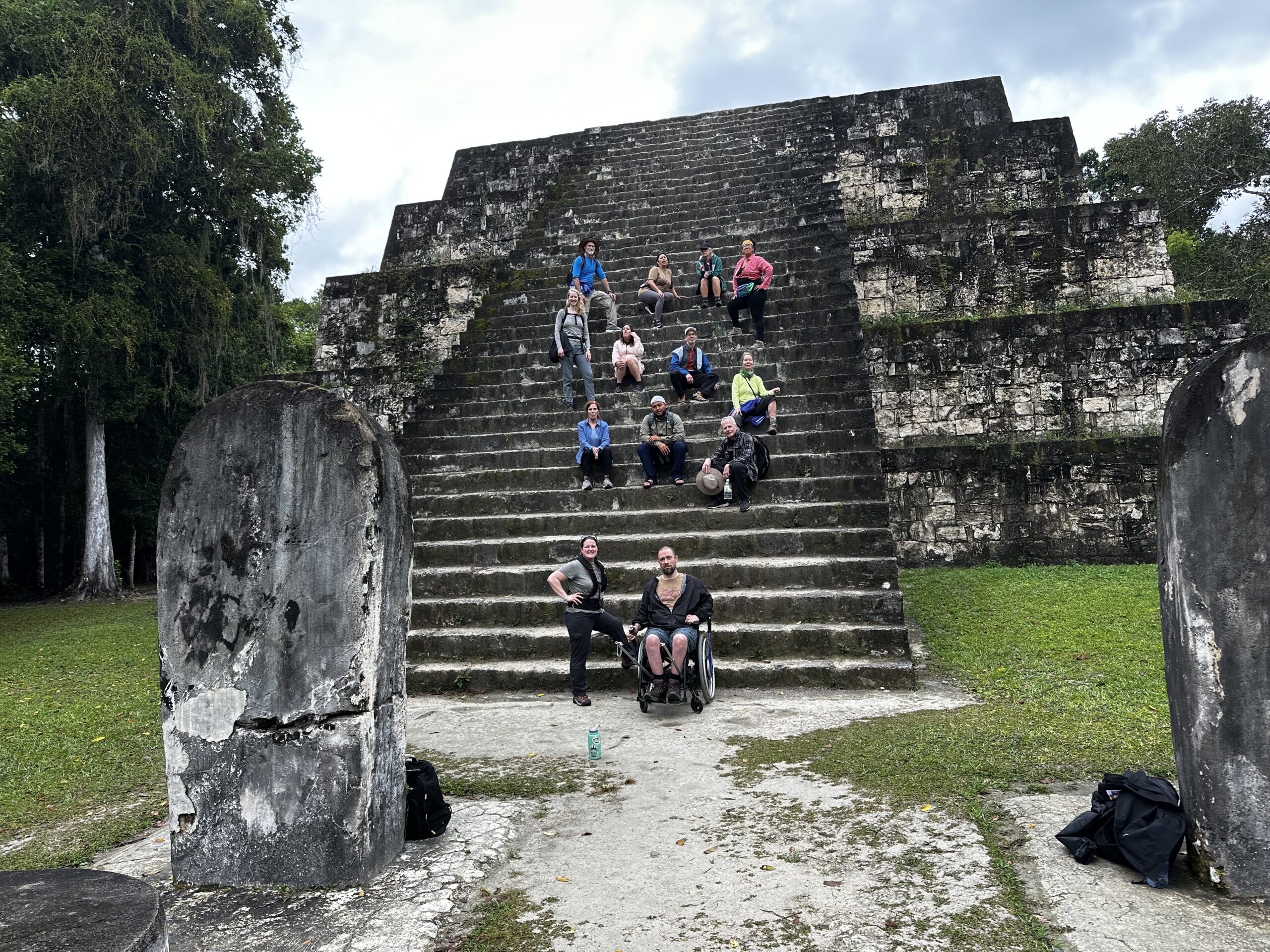
GROUP SIZE: The group size will be approximately 10-12 participants, plus 1 or more Wilderness Inquiry staff. Each group consists of people of various ages, backgrounds and abilities, including people with disabilities.
EQUIPMENT AND CLOTHING: If you are new to outdoor activities, you need not spend a lot of money on gear. A detailed equipment list will be sent to you upon confirmation of your participation.
LEVEL OF DIFFICULTY: No previous experience is needed to complete this trip. If you use a wheelchair, expect less accessible trails and accommodations than you may be accustomed to in the United States.
 |
Wilderness Inquiry is proud to serve Caribou Coffee on all our trips. Great food, great coffee, and great company are just some of the ingredients that make Wilderness Inquiry trips special.
|
[ Dates & Fees ]

Copper canyon is also known as Sierra Tarahumara, named after the area's semi-nomadic inhabitants who live in the cliffs, mesas and caves of the canyon. The Tarahumaras (Spanish name) or the Raramuri (their own name) are descendants of the tribes of Northern Mexico that fled from the Spanish during the conquest by taking to the mountains.
As the Spanish encroached on their civilization, the shy and private Tarahumara retreated to the inaccessible canyons of the Sierra Tarahumara. After mineral wealth was discovered, many areas where Tarahumara Indians lived became desirable lands for mining companies, forcing the Tarahumara once again to head farther into the remote canyons. Today, the Tarahumara are Mexico's second largest native Indian group with between 50,000 & 70,000 people. They live in caves, under cliffs and in small wood and stone cabins in remote areas.
The Tarahumara are renowned long-distance runners, having surprised many by winning races wearing their tire-soled sandals. Walking and running is their only mode of transportation and many of the small communities are far apart. The Tarahumara are very religious and desire their privacy and respect if you should happen to come upon one of their festivals. Two larger events are Semana Santa (Easter Week) and the Fiesta Guadalupana in December. There are also other celebrations where tesguino, an alcoholic beverage made of corn and grasses, is enjoyed by the Tarahumara.
You will enjoy a scenic train ride that takes you from Los Mochis on the Pacific coast to the country's arid inland. The 406-mile route includes several stops in the fabled Barranca del Cobre (Copper Canyon) - actually a group of 20 canyons, and all up to four times larger than the Grand Canyon. The train cuts through sheer canyons, hugging the sides of towering cliffs and offering dizzying glimpses of river beds far below.
Stops along the way include the colonial town of El Fuerte, providing excellent views down into the 7544 foot depths of Copper Canyon; Areponapuchi, teetering right on the canyon's edge; Creel, a base for hikers and the regional centre for the local Tarahumara people; and the Mennonite hub of Cuauhtemoc.
The dramatic 806-foot Cascada de Basaseachi are the highest waterfalls in Mexico. Located 87 miles northwest of Creel, it's worth the drive and hike to reach the falls. Creel is also a good base for reaching the 98-foot Cascada Cusarare, 14 miles south of the town. The falls are much smaller but gorgeous and worth the effort.
Sources: Octavio Molina, Lonely Planet, Mexico Online.
For more information, visit these links:
Copper Canyon Guide
The People's Guide to Mexico - Copper Canyon
Copper Canyon Photo Gallery
[ Dates & Fees ]