home   register   about us   programs   get involved   support wi   news   contact us 
General Trip Info

Ozarks Buffalo River Canoe and Hike

Canoe and Explore the Beautiful Buffalo River

Click any thumbnail for larger image:


Skull bluff on the Buffalo National River in Arkansas.
photo by: Gregoire, J

Canoeing in front of a cave on the Buffalo National River in Arkansas.
photo by: Bultman, J

Canoeing past limestone bluffs on the Buffalo River in Arkansas.
photo by:

Spotting wildlife on the Buffalo River. Notice the limestone bluff and clear water.
photo by: Bultman,J

More bluffs on the Buffalo.
photo by: Vang, A

View of the Buffalo National River from the overlook at Tyler Bend.
photo by: Bultman,J

The Collier Homestead. The valley still has the remains of old settlements.
photo by: Bultman,J

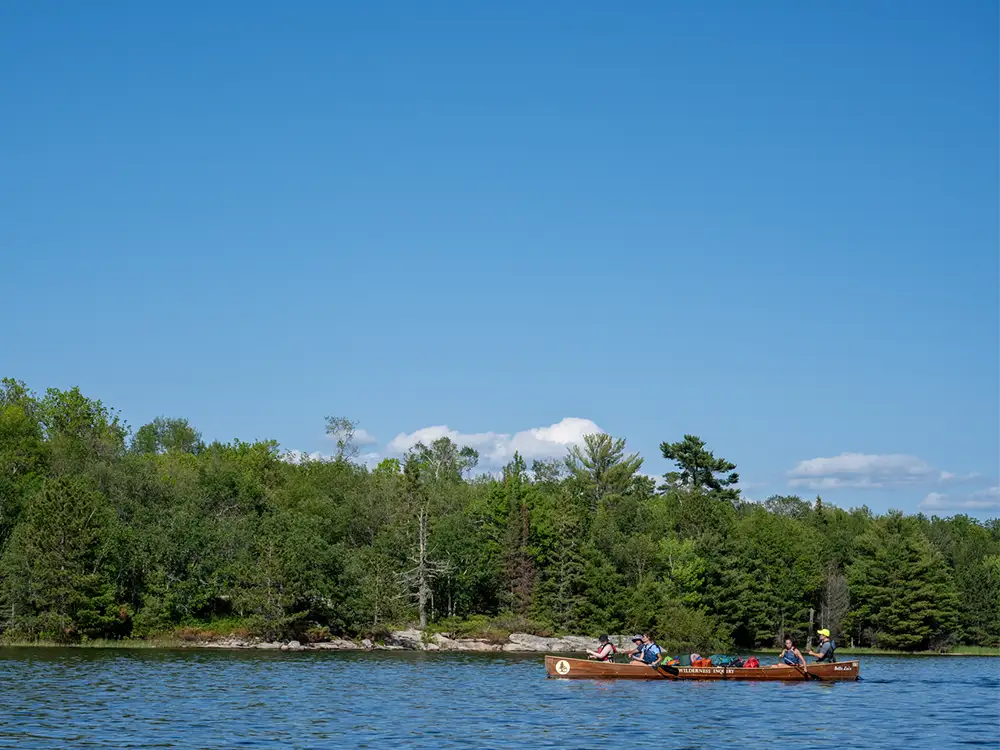
Taking a break while canoeing the Buffalo River in the Ozarks.
photo by: Sabo, D.

Scenes along the river.
photo by: Bultman,J

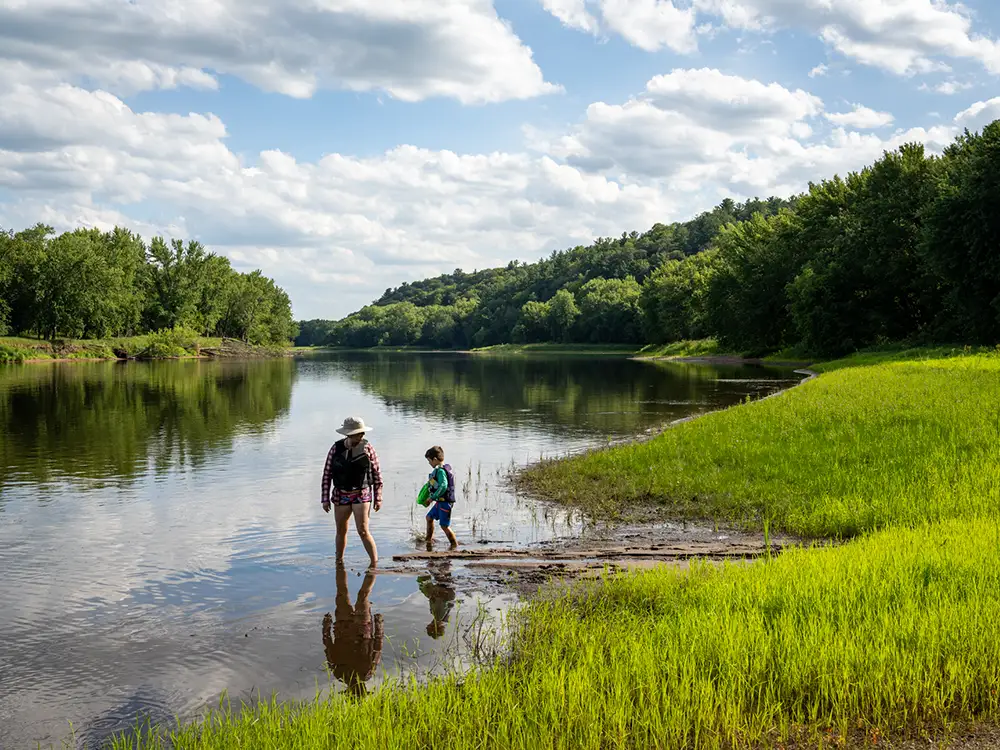
Peaceful beach on the Buffalo National River in Arkansas.
photo by: Sabo, D.

Andy navigates a rapids--there are just enough rapids to keep you on your toes.
photo by: Bultman,J

Sunrise mist on the Buffalo National River in Arkansas.
photo by: Vang, A

Exiting a limestone cave on the Buffalo National River.
photo by: Vang, A

Ladybugs on the Buffalo National River in Arkansas.
photo by: Unknown

Trout and small mouth bass are the most popular species to fish for on the Buffalo River.
photo by: Bultman,J

Page 1 of 2 | Next | Last


[ Dates & Fees ]

Ozarks Buffalo River Canoe and Hike

Canoe and Explore the Beautiful Buffalo River

Peaceful beach on the Buffalo National River in Arkansas.

Canoe the clean flowing waters of the Buffalo River, surrounded by some of the most awe-inspiring bluffs in the country. Paddle past historical settlements and a profusion of wildflowers along the banks. Managed by the National Park Service, the Buffalo River is one of the few remaining free flowing rivers in the lower 48 states. Hike through the wooded hillsides and magnificent bluffs that make the Ozarks such a unique destination. Discover historical relics of early settlers and Native Americans. Catch glimpses of Whitetail deer, bobcat, and mink in their natural habitats, created by land forms. This destination offers a great balance of paddling and hiking in a unique near wilderness setting.

Sample Itinerary

Please note: While the itinerary presented is an accurate depiction of what your trip will be like, it is only an example. Our trips are real adventures in the outdoors--not pre-packaged tours that happen on a schedule.

DAY 1: Your trip begins with an early breakfast at Tyler Bend Campground. From there your group will participate in a canoe orientation, load up the canoes, and begin paddling from the Pruitt Ranger Station. This section of the river is a flowing class I, ideal for all paddlers. After paddling past springtime wildflowers and historic settlements, your group will take camp at the Hasty campsite near Chimney Hole, a natural bridge near the Buffalo River.

DAY 2: Wake up along the flowing river, eat breakfast and continue paddling your way towards the Mt. Hersey campsite. Throughout the day you'll catch glimpses of seasonal wildflowers, towering bluffs, and relics of early settlers and Native Americans. Wrap up the day with a relaxing swim or chance to go fishing.

DAY 3: Get a chance to leave the canoes for a while and explore the bluffs created by the Richland Creek and Buffalo River. These waterways have eroded away at the rock leaving a 4 ft wide dividing bluff. Hiking up the backbone of the bluff yields a great view of the river and Richland Valley. Further on down stream you'll find Skull Bluff. If water levels are right, there may be the possibility to paddle into one of the cavities of Skull Bluff.

DAY 4: The last full day on the river will take you from Woolum campground back to Tyler Bend campsite. You may have the opportunity to view some of the wildlife along the river like white tail deer, bobcat, and mink. Finish up the day with a hearty dinner and sharing of stories around the campfire.

DAY 5: The last morning of the trip concludes with a morning paddle and hike. Visit the Collier Farmstead and Overlook. Another short paddle to Grinders Ferry where you'll have lunch and pick up your shuttle back the cars. This trip ends early afternoon after lunch.

Travel, Terrain, Etc...

TERRAIN/ROUTE CHOICES: The Buffalo River begins as a tiny stream in the Boston Mountains, where it flows north and then eastward through the Ozark Mountains. The river is surrounded by some of the most awe-inspiring bluffs in the country and hardwood forests, which protect the view of the surrounding farmland. The milky green waters flow through the sedimentary rock with comfortable class I and possibly class II sets of rapids. This park's geology with its numerous caves, cliffs, sinkholes, waterfalls, springs, and interesting rock formations, typifies the Arkansas Ozarks.

TYPE OF TRAVEL/DISTANCE: You will travel in 17-foot Old Town Tripper canoes, which hold two to three paddlers, plus all necessary gear. An average day's travel consists of 4-6 hours of paddling, depending on weather. Except for scheduled layover days, most days' travel distance varies from 7-15 miles per day. The gently flowing current helps travel as these miles flow by. This trip also includes the opportunity to leave the canoes behind ad explore one of the many towering bluffs and historical points of interest. To protect the environment, WI uses Leave No Trace camping techniques.

WEATHER: Temperatures in the spring can vary anywhere from 50-80 F. The springtime months are warm and usually are the rainiest time of year, so rain gear is suggested.

LODGING/BATHROOM FACILITIES: This is a camping trip. At night you will sleep in a comfortable Eureka Timberline tent. Typically, there are 3 people per 4-person tent (although other arrangements can be made). We recommend that you bring your own personal sleeping bag and "camprest" foam core inflatable mattress (a limited number of sleeping bags and mattresses are available as loaners for individuals who need them). Bathroom facilities consist of a foldable commode chair set up in a privacy tent. We make every effort to ensure privacy and cleanliness.

GROUP SIZE: The group size ranges from 10 to 12 participants, plus 2 or more Wilderness Inquiry staff. Each group consists of people of various ages, backgrounds and abilities, including people with disabilities.

CAMP CHORES: Our trips are cooperative in nature. WI staff will assist you in whatever areas you need, however most people pitch in where they can. Part of the adventure involves learning about daily camp activities.

EQUIPMENT AND CLOTHING: If you are new to outdoor activities, you need not spend a lot of money on gear. Wilderness Inquiry will provide all necessary canoeing and camping equipment. All you need to provide is your personal gear, such as clothing and a sleeping bag. A detailed equipment list will be sent to you upon confirmation of your participation. If you need to borrow personal gear that can usually be arranged.

LEVEL OF DIFFICULTY: No previous experience is needed to complete this trip.

Wilderness Inquiry is proud to serve Caribou Coffee on all our trips. Great food, great coffee, and great company are just some of the ingredients that make Wilderness Inquiry trips special.

[ Dates & Fees ]      


Take pure, clear, flowing water: send it down a 132-mile meandering course; pour it over rapids; strain it through gravel bars; drift it through long pools; let it caress tree-covered banks. Then dot a valley bottom with open grassy meadows with grazing elk; punctuate the shores with frequent tall-multicolored bluffs; and fill the countryside with steep, wooded hills. Now interject an occasional turtle sunning on a log; watch a snake slide in the water as it explores the depths of the river; be startled by a bass breaking the water surface; and observe a heron stalking the river's edge. Accent the experience with birds warbling in the trees and insects buzzing close above the water. Finally, place yourself in a canoe drifting down the river surrounded by the peaceful and inspiring mood of these natural elements. Now you have witnessed only one of the many faces of Buffalo National River.

With the coming of spring, animal movement is at its highest. Fish are actively migrating up the river corridor into tributaries, and songbirds are arriving from far off places, filling the forest canopy with movement and song. Wildlife observers have recorded 55 species of mammals, 250 species of birds, and 59 species of fish, along with a multitude of reptiles, amphibians, insects and other invertebrates.

The vegetative community at Buffalo National River is rich and diverse. The ridges, bluffs, hillsides, and valleys provide a variety of habitats that support over 1500 plant species. The major forest types are the Floodplain, Mixed-Hardwood, Oak-Hickory, Oak-Pine, Cedar Glade and Beech.

Many prehistoric and historic cultural sites are located in the park, some dating back more than 10,000 years. These sites range from terrace village sites, to bluff shelters once occupied by Archaic Indians, to cabins built by early settlers. In Boxley valley, Ozark farmers still live in harmony with the land.


For more information, visit these links:

Buffalo National River

Buffalo River - Comprehensive Guide

Buffalo National River - Landscape Photography

The Ozarks in Wipedia

[ Dates & Fees ]


WI leads trips to the Buffalo River but typically only for pre-existing groups (schools, clubs, families, friends who travel together, etc...).

If you have a group of 8 to 12 people interested, we can set up a trip to the Buffalo just for you! Typical cost for a 5-day trip is about $695 per person, which includes everything except transportation to and from the start of the trip.

Please contact us if you are interested in a group trip to the Ozarks.

info@wildernessinquiry.org
612-676-9400
800-728-0719

(Join our waiting list to be notified when WI schedules a trip to Ozarks Buffalo River Canoe and Hike)

Printer Friendly Page
printer friendly
Quick Trip Facts:
  • 5 days, 4 nights
  • 2 Wilderness Inquiry Staff
  • All trail meals and snacks
  • Eureka tents and group camping gear
  • Lotus PFD
  • Old Town Tripper canoes
  • Adaptive gear as needed


Taking a break while canoeing the Buffalo River in the Ozarks.